
What happened
Publisher: Ars Technica
Author: Eric Berger
Published Date: September 2, 2025
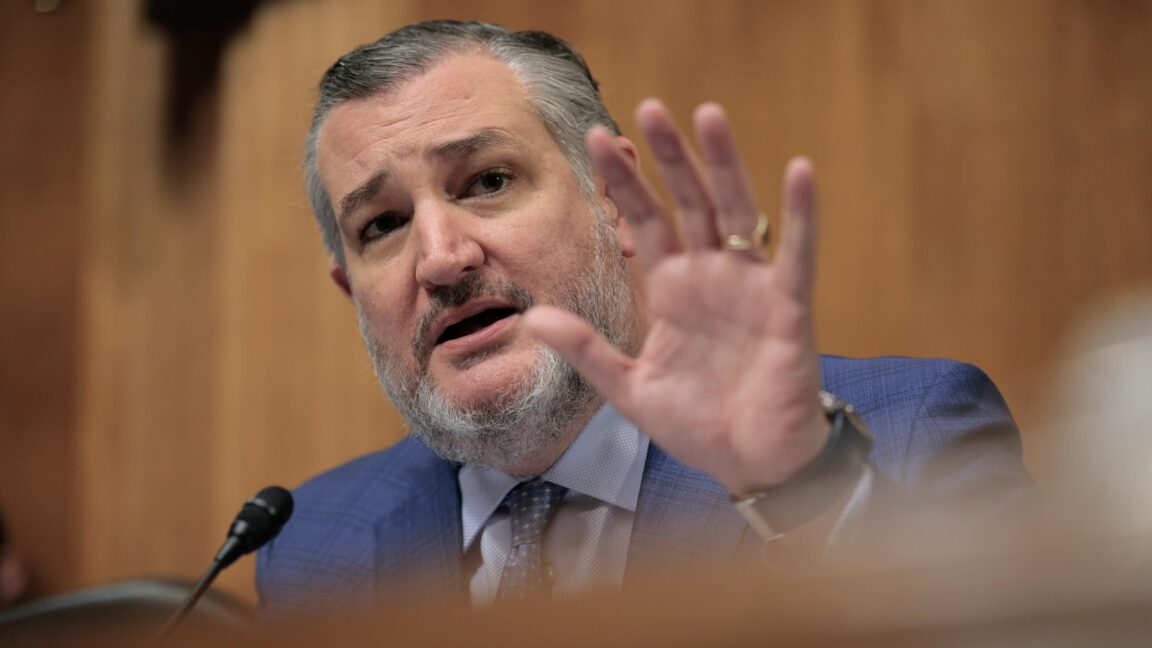
All of the original US senators who created and sustained NASA's Space Launch System rocket over the last 15 years—Bill Nelson, Kay Bailey Hutchison, and Richard Shelby—have either retired or failed to win reelection. However, a new champion has emerged to continue the fight: Texas Republican Ted Cruz.
He seems an unlikely hero for NASA's large rocket, which costs the federal government more than $2 billion to launch. Cruz, after all, is a self-described pro-capitalist, fiscal conservative. SpaceX and Blue Origin, which are building large and significantly lower-cost alternatives to the SLS rocket, have large operations in Texas.
In previous legislative sessions, Cruz has often carried legislation important to the commercial space industry, such as the American Space Commerce Act and the Space Frontier Act. But now that he chairs the Senate Commerce, Science, and Transportation Committee, Cruz has made a significant shift toward supporting the SLS rocket and its chief contractor, Boeing.
Cruz seeks to save SLS Earlier this year, Cruz crafted the NASA provision tacked onto President Trump's "One Big, Beautiful Bill," which included $10 billion in funding for key space programs, and in two notable areas directly undermined White House space policy goals. As part of its fiscal year 2026 budget, the White House sought to end funding for the Space Launch System rocket after the Artemis III mission, and also cancel the Lunar Gateway, an orbital space station that provides a destination for the rocket.
The Cruz addendum provided $6.7 billion in funding for two additional SLS missions, Artemis IV and Artemis V, and to continue Gateway construction. In several hearings this year, Cruz has made it clear that his priorities for human spaceflight are to beat China back to the Moon and maintain a presence there.
However, it is now increasingly clear that he views this as only being possible through continued use of NASA's SLS rocket.
Source coverage
Publisher: Ars Technica
Author: Eric Berger
Deeper analysis
Full source content
All of the original US senators who created and sustained NASA's Space Launch System rocket over the last 15 years—Bill Nelson, Kay Bailey Hutchison, and Richard Shelby—have either retired or failed to win reelection. However, a new champion has emerged to continue the fight: Texas Republican Ted Cruz.
He seems an unlikely hero for NASA's large rocket, which costs the federal government more than $2 billion to launch. Cruz, after all, is a self-described pro-capitalist, fiscal conservative. SpaceX and Blue Origin, which are building large and significantly lower-cost alternatives to the SLS rocket, have large operations in Texas.
In previous legislative sessions, Cruz has often carried legislation important to the commercial space industry, such as the American Space Commerce Act and the Space Frontier Act. But now that he chairs the Senate Commerce, Science, and Transportation Committee, Cruz has made a significant shift toward supporting the SLS rocket and its chief contractor, Boeing.
Cruz seeks to save SLS Earlier this year, Cruz crafted the NASA provision tacked onto President Trump's "One Big, Beautiful Bill," which included $10 billion in funding for key space programs, and in two notable areas directly undermined White House space policy goals. As part of its fiscal year 2026 budget, the White House sought to end funding for the Space Launch System rocket after the Artemis III mission, and also cancel the Lunar Gateway, an orbital space station that provides a destination for the rocket.
The Cruz addendum provided $6.7 billion in funding for two additional SLS missions, Artemis IV and Artemis V, and to continue Gateway construction. In several hearings this year, Cruz has made it clear that his priorities for human spaceflight are to beat China back to the Moon and maintain a presence there.
However, it is now increasingly clear that he views this as only being possible through continued use of NASA's SLS rocket.
How this page is built
Goose Pod turns cited reporting into a public episode summary first, then pairs that summary with audio playback so listeners can check the source material before they decide how deeply to engage.
The goal is to make this page useful as a news landing page first, while still giving listeners transcript access, related episodes, and direct links back to the original publishers.