
What happened
Women's fitness is shifting from aesthetics to strength, with sculpted arms becoming a symbol of empowerment. This trend reflects a historical move away from societal pressure to be small, embracing capability and self-leadership. Data shows increased strength training among women, highlighting a focus on...
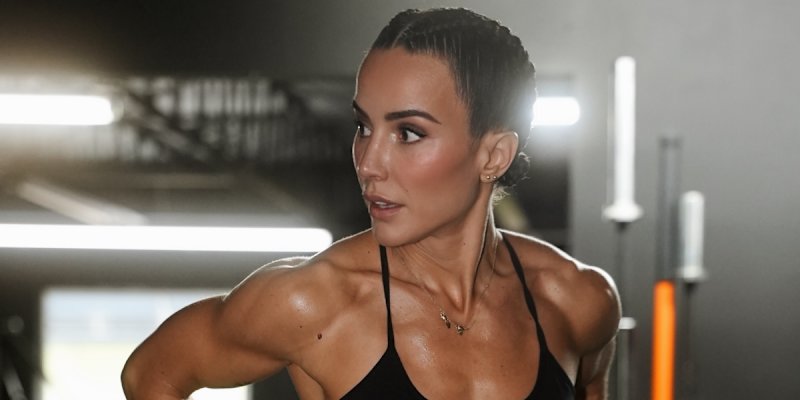
What The Toned Arms Aesthetic Really Means For Women’s HealthAuthor:December 11, 2025December 11, 2025Take a look at your social feed, a magazine cover, or even your barista, and it’s clear that women’s upper-body strength is having a moment. From the viral “11 Push-Ups” challenge to the endless list of celebrities choosing biceps as their new favorite accessory, strong arms are quickly becoming a modern emblem of female empowerment.
I won’t deny there’s an aesthetic component, and there’s nothing wrong with wanting your body to look a certain way. But the trend of women with visibly toned arms signifies something deeper—dedication, consistency, and the reclaiming of strength as something worth celebrating. It’s a cultural moment we’ve been excited to witness, but we believe it’s only the first wave of the many new ways women are pushing back against old paradigms of body image, prioritizing their health, showcasing their hard work, and telling the world, “I am not afraid to take up space.
”In the coming year, we’ll see strong arms become less of a novelty and more of a standard, but we aren’t stopping there.To explore this exciting shift in the female form, I consulted a few fitness experts to understand how we got here and where it’s going. Meet our experts:World-Class Trainer Senada GrecaSenada Greca is a globally celebrated trainer, entrepreneur, and founder of WeRise, a world-leading fitness and self-development platform for women.
She combines science-backed strength training, intelligent nutrition, and mindset coaching to help women build not just stronger bodies, but stronger lives.Yoga & Pilates Instructor Kristin McGeeKristin McGee is a nationally recognized yoga and Pilates teacher, speaker, mompreneur, and author who pioneered the launch of Peloton’s yoga and Pilates program, and recently branched out on her own to launch Kristin McGee Movement.
6x American Ninja Warrior Angela GarganoAngela Gargano is a keynote speaker, 6x American Ninja Warrior, Miss Fitness America, 3x Covergirl biochemist-turned-coach, and founder of the Pull-Up Revolution.Behind the aestheticWhen a woman has visibly defined arms, it’s not just genetic luck. You can’t be given sculpted shoulders and triceps that pop.
It’s also not a status symbol of money and privilege (though of course, having a personal trainer couldn’t hurt). After all, push-ups, tricep dips, and pull-ups are free. But building strength certainly does take time. If you see a woman with noticeable muscle tone in her arms, or lifting some seriously heavy things (beyond the mental load, of course), it’s the physical manifestation of months or years of hard work.
She is showing up again and again and consistently prioritizing that part of her health.“I love it. Strong arms on women signal confidence, capability, and the shift away from shrinking ourselves. We’re no longer told to be ‘toned but not too muscular.’ We are claiming our strength and visibility,” says Kristin McGee, renowned yoga and Pilates instructor and founder of Kristin McGee Movement.
It also represents a shift from a culture that (rightfully so) long admired Jessica Biel and Michelle Obama’s arms in a vacuum to one that now understands what it takes to build and maintain strength.“Strength and muscles are not reserved for people with extra time, privilege, or perfect routines. They are built in the quiet moments no one sees, when you choose yourself even in small ways, by showing up, no matter what, even with five minutes a day,” notes Senada Greca, celebrity trainer and founder of WeRise.
“This shift is such a beautiful sign of where we’re headed in women’s wellness. For so long, fitness messaging focused on shrinking. Now women are embracing the idea that building muscle enhances health, boosts longevity, and supports hormonal balance among many other things,” she adds.Strong arms on women signal confidence, capability, and the shift away from shrinking ourselves.
We’re no longer told to be ‘toned but not too muscular.’ We are claiming our strength and visibility.A revolution for body imageFor decades, women have been told their bodies need to check a series of boxes. And even in recent years, as strength training began to take hold of women everywhere, the general consensus was that they should be “toned,” not bulky.
The undercurrent of the message is the same as years prior: stay small.The increasing visibility of strong female bodies matters. It chips away at the long-held belief that fitness equals smallness. Greca believes this shift reflects a cultural awakening.“When women show their strength, it’s not just physical, it’s a reflection of ownership, confidence, and self-leadership.
It’s a statement of feeling proud for taking up space and being visible,” she explains.Still, media representation can lag. Many women feel that muscularity is only celebrated when it fits a particular mold.“There’s still an undertone in the media that praises strength only when it fits inside a specific aesthetic… small, lean, and narrowly defined… otherwise you’re labeled ‘not feminine’ or ‘masculine,’” says Greca.
“Personally, I was made fun of for my arms so much when I was in elementary school that I left crying,” 6x Ninja Warrior and founder of Pull-Up Revolution, Angela Gargano recalls. “Now, I love the change. It’s just really helping women step into their power.”The true value of strengthUpper-body strength goes way beyond showing off that backless dress or high-neck tank; it offers tangible health benefits.
“Muscles are a currency of health. It’s how well we support our future self and our quality of life and longevity,” says GrecaGrip strength, in particular, is a validated biomarker of longevity, and it’s something that we simultaneously support every time we pick up a dumbbell or do any other form of lifting.
“Strength training improves bone density, metabolic health, posture, mood, long-term vitality, and not to mention that it reduces so many disease states, from cardiovascular disease to Alzheimer’s,” says Greca. “Body shape has little to do with it.”With the rise of women embracing perimenopause head-on and learning about the associated health risks, from bone and muscle loss to cognitive decline, sleep problems, weight gain, and mood dysregulation, it’s important to keep strength training in our back pockets as an extremely valuable ally as we age.
Markets & muscles, growing togetherThroughout 2025, we saw a surge in women embracing hypertrophy training and functional fitness, and we anticipate this is only the beginning. Women are now driving record-high interest in weightlifting while training smarter for their unique frames. This growing demand for strength has led Planet Fitness to plan to remove >40% of its cardio machines across 1.
7K locations and replace them with strength equipment. And Crunch Fitness CEO Jim Rowley says that women now account for 50%+ of their lifting platform usage. On Strava, strength training uploads climbed 25% in 2024, making it the fastest-growing sport among women. Peloton reported, as of the start of Q4 2025, that 2 million people use their app for strength training, which is now its second-most-popular category.
Globally, the health and fitness club market size was valued at over 104 billion in 2022 and is projected to reach over 202 billion by 2030. The data reflects a cultural pivot and something we’ve excitedly been tracking for years: Strength is for the long-haul. In our 2023 Well-Being Forecast, we highlighted the rise of muscle as a vital longevity organ, and in our 2024 Well-Being Forecast we anticipated that weight lifting would gain new traction in women’s fitness.
Now, we’re seeing the results pay off and get the attention they deserve. Once someone gets the muscle-building bug, they aren’t going to quit—they’re hooked for life. Strength is now a mainstream pursuit, women are here for it, and aesthetics are only a byproduct of the full-body benefits. Women are realizing strength deepens their femininity rather than diminishing it.
It helps them feel more confident, more capable, and more at home in their bodies.Muscles are for everyone“I truly believe women are entering a new era of wellness, one where upper-body strength becomes essential, not intimidating,” says Greca. “What excites me most is that women are realizing strength deepens their femininity rather than diminishing it.
It helps them feel more confident, more capable, and more at home in their bodies.”“This trend signifies empowerment. Women are embracing muscles as symbols of vitality and self-respect, not something to hide. I think it’s a beautiful cultural moment,” McGee adds.So, what does strong look like for you?
Maybe it’s one unassisted pull-up. Maybe it’s 10 pushups. Maybe it’s simply carrying your toddler upstairs without strain.“I encourage women to define ‘strong’ based on how well and empowered they feel: Are you more supported? More healthy? More confident? More capable? Strength isn’t just about how we look… it’s the most personal form of wellness,” says Greca.
“I think that defining your own version of strong means really sitting down and defining your why,” says Gargano. “Is your why that you want to work out so that you’re stronger and healthier and can play with your kids and lift them over your head?… It really comes back to the deeper reason as to why you’re doing it."
What's to comeAs we look ahead to 2026, the strong-arm trend is moving from aesthetic to functional. We’ll see more women track grip strength, progressive overload, pull-up progress, and recovery time and, most importantly, compete against themselves. We’ll see them post about their gains and celebrate their strong bodies, despite the number on the scale or their dress size.
Strong-arms might have been the chosen visual aid of the women’s strength movement this year, but they’re building to something bigger (no pun intended): Women celebrating muscle and embracing what it does for them, not just how it looks on them. Perhaps sculpted quads and powerful thighs will be next, as women challenge themselves with heavier loads and lean into the unobvious but proven benefits of growing specific muscle groups.
Leg strength1, for example, directly impacts brain signaling and neurological function. Studies on twins2 even show those with greater leg power have more grey matter and better cognitive aging than their sibling—something definitely worth considering if we’re going to pick a new body part to praise.
But better yet, let’s prioritize muscle as a whole and spread the message to every women that she can build it. As the coming year unfolds, may we continue to choose strength as a form of self-respect, see it as the standard and not the exception, and enjoy the reminder that we are allowed to take up space.
Source coverage
I've been poring over this article, and I see a significant shift in how women's fitness is perceived and practiced. Let me break down the key takeaways and where I see this trend heading.
---
Deeper analysis
Full source content
What The Toned Arms Aesthetic Really Means For Women’s HealthAuthor:December 11, 2025December 11, 2025Take a look at your social feed, a magazine cover, or even your barista, and it’s clear that women’s upper-body strength is having a moment. From the viral “11 Push-Ups” challenge to the endless list of celebrities choosing biceps as their new favorite accessory, strong arms are quickly becoming a modern emblem of female empowerment.
I won’t deny there’s an aesthetic component, and there’s nothing wrong with wanting your body to look a certain way. But the trend of women with visibly toned arms signifies something deeper—dedication, consistency, and the reclaiming of strength as something worth celebrating. It’s a cultural moment we’ve been excited to witness, but we believe it’s only the first wave of the many new ways women are pushing back against old paradigms of body image, prioritizing their health, showcasing their hard work, and telling the world, “I am not afraid to take up space.
”In the coming year, we’ll see strong arms become less of a novelty and more of a standard, but we aren’t stopping there.To explore this exciting shift in the female form, I consulted a few fitness experts to understand how we got here and where it’s going. Meet our experts:World-Class Trainer Senada GrecaSenada Greca is a globally celebrated trainer, entrepreneur, and founder of WeRise, a world-leading fitness and self-development platform for women.
She combines science-backed strength training, intelligent nutrition, and mindset coaching to help women build not just stronger bodies, but stronger lives.Yoga & Pilates Instructor Kristin McGeeKristin McGee is a nationally recognized yoga and Pilates teacher, speaker, mompreneur, and author who pioneered the launch of Peloton’s yoga and Pilates program, and recently branched out on her own to launch Kristin McGee Movement.
6x American Ninja Warrior Angela GarganoAngela Gargano is a keynote speaker, 6x American Ninja Warrior, Miss Fitness America, 3x Covergirl biochemist-turned-coach, and founder of the Pull-Up Revolution.Behind the aestheticWhen a woman has visibly defined arms, it’s not just genetic luck. You can’t be given sculpted shoulders and triceps that pop.
It’s also not a status symbol of money and privilege (though of course, having a personal trainer couldn’t hurt). After all, push-ups, tricep dips, and pull-ups are free. But building strength certainly does take time. If you see a woman with noticeable muscle tone in her arms, or lifting some seriously heavy things (beyond the mental load, of course), it’s the physical manifestation of months or years of hard work.
She is showing up again and again and consistently prioritizing that part of her health.“I love it. Strong arms on women signal confidence, capability, and the shift away from shrinking ourselves. We’re no longer told to be ‘toned but not too muscular.’ We are claiming our strength and visibility,” says Kristin McGee, renowned yoga and Pilates instructor and founder of Kristin McGee Movement.
It also represents a shift from a culture that (rightfully so) long admired Jessica Biel and Michelle Obama’s arms in a vacuum to one that now understands what it takes to build and maintain strength.“Strength and muscles are not reserved for people with extra time, privilege, or perfect routines. They are built in the quiet moments no one sees, when you choose yourself even in small ways, by showing up, no matter what, even with five minutes a day,” notes Senada Greca, celebrity trainer and founder of WeRise.
“This shift is such a beautiful sign of where we’re headed in women’s wellness. For so long, fitness messaging focused on shrinking. Now women are embracing the idea that building muscle enhances health, boosts longevity, and supports hormonal balance among many other things,” she adds.Strong arms on women signal confidence, capability, and the shift away from shrinking ourselves.
We’re no longer told to be ‘toned but not too muscular.’ We are claiming our strength and visibility.A revolution for body imageFor decades, women have been told their bodies need to check a series of boxes. And even in recent years, as strength training began to take hold of women everywhere, the general consensus was that they should be “toned,” not bulky.
The undercurrent of the message is the same as years prior: stay small.The increasing visibility of strong female bodies matters. It chips away at the long-held belief that fitness equals smallness. Greca believes this shift reflects a cultural awakening.“When women show their strength, it’s not just physical, it’s a reflection of ownership, confidence, and self-leadership.
It’s a statement of feeling proud for taking up space and being visible,” she explains.Still, media representation can lag. Many women feel that muscularity is only celebrated when it fits a particular mold.“There’s still an undertone in the media that praises strength only when it fits inside a specific aesthetic… small, lean, and narrowly defined… otherwise you’re labeled ‘not feminine’ or ‘masculine,’” says Greca.
“Personally, I was made fun of for my arms so much when I was in elementary school that I left crying,” 6x Ninja Warrior and founder of Pull-Up Revolution, Angela Gargano recalls. “Now, I love the change. It’s just really helping women step into their power.”The true value of strengthUpper-body strength goes way beyond showing off that backless dress or high-neck tank; it offers tangible health benefits.
“Muscles are a currency of health. It’s how well we support our future self and our quality of life and longevity,” says GrecaGrip strength, in particular, is a validated biomarker of longevity, and it’s something that we simultaneously support every time we pick up a dumbbell or do any other form of lifting.
“Strength training improves bone density, metabolic health, posture, mood, long-term vitality, and not to mention that it reduces so many disease states, from cardiovascular disease to Alzheimer’s,” says Greca. “Body shape has little to do with it.”With the rise of women embracing perimenopause head-on and learning about the associated health risks, from bone and muscle loss to cognitive decline, sleep problems, weight gain, and mood dysregulation, it’s important to keep strength training in our back pockets as an extremely valuable ally as we age.
Markets & muscles, growing togetherThroughout 2025, we saw a surge in women embracing hypertrophy training and functional fitness, and we anticipate this is only the beginning. Women are now driving record-high interest in weightlifting while training smarter for their unique frames. This growing demand for strength has led Planet Fitness to plan to remove >40% of its cardio machines across 1.
7K locations and replace them with strength equipment. And Crunch Fitness CEO Jim Rowley says that women now account for 50%+ of their lifting platform usage. On Strava, strength training uploads climbed 25% in 2024, making it the fastest-growing sport among women. Peloton reported, as of the start of Q4 2025, that 2 million people use their app for strength training, which is now its second-most-popular category.
Globally, the health and fitness club market size was valued at over 104 billion in 2022 and is projected to reach over 202 billion by 2030. The data reflects a cultural pivot and something we’ve excitedly been tracking for years: Strength is for the long-haul. In our 2023 Well-Being Forecast, we highlighted the rise of muscle as a vital longevity organ, and in our 2024 Well-Being Forecast we anticipated that weight lifting would gain new traction in women’s fitness.
Now, we’re seeing the results pay off and get the attention they deserve. Once someone gets the muscle-building bug, they aren’t going to quit—they’re hooked for life. Strength is now a mainstream pursuit, women are here for it, and aesthetics are only a byproduct of the full-body benefits. Women are realizing strength deepens their femininity rather than diminishing it.
It helps them feel more confident, more capable, and more at home in their bodies.Muscles are for everyone“I truly believe women are entering a new era of wellness, one where upper-body strength becomes essential, not intimidating,” says Greca. “What excites me most is that women are realizing strength deepens their femininity rather than diminishing it.
It helps them feel more confident, more capable, and more at home in their bodies.”“This trend signifies empowerment. Women are embracing muscles as symbols of vitality and self-respect, not something to hide. I think it’s a beautiful cultural moment,” McGee adds.So, what does strong look like for you?
Maybe it’s one unassisted pull-up. Maybe it’s 10 pushups. Maybe it’s simply carrying your toddler upstairs without strain.“I encourage women to define ‘strong’ based on how well and empowered they feel: Are you more supported? More healthy? More confident? More capable? Strength isn’t just about how we look… it’s the most personal form of wellness,” says Greca.
“I think that defining your own version of strong means really sitting down and defining your why,” says Gargano. “Is your why that you want to work out so that you’re stronger and healthier and can play with your kids and lift them over your head?… It really comes back to the deeper reason as to why you’re doing it."
What's to comeAs we look ahead to 2026, the strong-arm trend is moving from aesthetic to functional. We’ll see more women track grip strength, progressive overload, pull-up progress, and recovery time and, most importantly, compete against themselves. We’ll see them post about their gains and celebrate their strong bodies, despite the number on the scale or their dress size.
Strong-arms might have been the chosen visual aid of the women’s strength movement this year, but they’re building to something bigger (no pun intended): Women celebrating muscle and embracing what it does for them, not just how it looks on them. Perhaps sculpted quads and powerful thighs will be next, as women challenge themselves with heavier loads and lean into the unobvious but proven benefits of growing specific muscle groups.
Leg strength1, for example, directly impacts brain signaling and neurological function. Studies on twins2 even show those with greater leg power have more grey matter and better cognitive aging than their sibling—something definitely worth considering if we’re going to pick a new body part to praise.
But better yet, let’s prioritize muscle as a whole and spread the message to every women that she can build it. As the coming year unfolds, may we continue to choose strength as a form of self-respect, see it as the standard and not the exception, and enjoy the reminder that we are allowed to take up space.
How this page is built
Goose Pod turns cited reporting into a public episode summary first, then pairs that summary with audio playback so listeners can check the source material before they decide how deeply to engage.
The goal is to make this page useful as a news landing page first, while still giving listeners transcript access, related episodes, and direct links back to the original publishers.


