Elon
Good morning goosepod, I'm Elon, and this is Goose Pod for you. Today is Monday, December 08th.
Taylor
And I'm Taylor. We are here to discuss the breaking story from Malta, where the opposition claims the government should withdraw a legal notice on new medicine tariffs.
Taylor
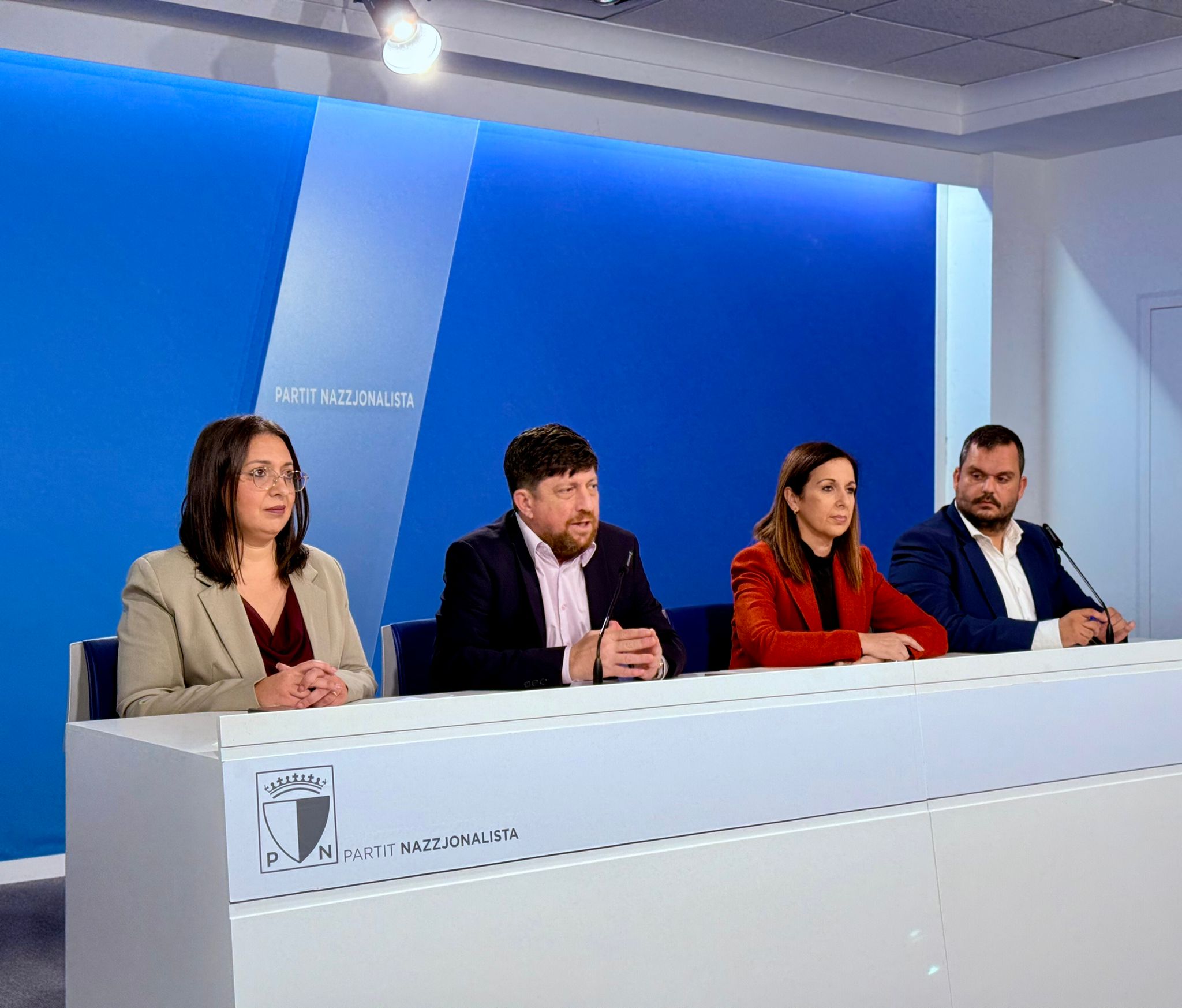
This is such a classic political drama, but one with incredibly high stakes for everyday people. The Nationalist Party in Malta has sounded the alarm over new government-imposed tariffs on medicines, framing it as a direct blow to patients.
Elon
It's more than just a fee; it's a formal Legal Notice. This isn't a suggestion; it's a systemic change. The opposition's point is that this is a direct tax on the sick, the elderly, and families. From an efficiency standpoint, it’s just adding a costly, unnecessary layer.
Taylor
Exactly, and the narrative they're building is powerful. They're using terms like "exaggerated increases" and pointing out that this affects everything from common, long-used medicines to new, life-saving ones. The story they're telling is about vulnerability, claiming over 30,000 elderly people are at risk of not affording essential drugs.
Elon
The most critical failure is the process. The opposition claims this was done "without consultation." You simply cannot alter the cost of a fundamental good like medicine without engaging with stakeholders. It's disruptive, but in a chaotic, damaging way, not an innovative one. It’s just poor execution.
Taylor
Right, and this taps into a much bigger, global conversation. It's not just happening in Malta. We saw data from a survey where 72% of physicians expressed deep concern about pharmaceutical tariffs. They know it directly impacts their ability to treat people effectively. This is a universal pressure point.
Elon
The numbers from that survey are alarming. Physicians predicted that tariffs could increase costs for their clinics by 15% or more. The inevitable result is that patients will delay or completely forgo treatment. This is the real-world consequence of bureaucratic decisions that are disconnected from the end-user. The system starts punishing the patient for its own inefficiency.
Elon
To really grasp the situation, you have to look at the existing foundation of Malta's healthcare system. Even as far back as 2017, the system was characterized by high out-of-pocket spending. Private health expenditure was almost entirely funded by people paying directly. The stage was already set for any price hike to be felt acutely.
Taylor
That's such a critical piece of the backstory! This isn't happening in a vacuum where medicine is otherwise free and easy to access. They have a system called the Government Formulary List, the GFL, which covers about 1300 medicines. But getting new, expensive drugs onto that list has always been described as a major "budgetary challenge."
Elon
So the core problem is that they are already struggling to afford the next generation of innovative medicines. They've been trying to implement smart solutions to this, like managed entry agreements and pay-for-performance models. They're trying to optimize. This new, broad tariff feels like a step backward, a blunt instrument instead of a scalpel.
Taylor
And they have this wonderful-sounding program, the "Pharmacy of Your Choice" scheme. It allows over 140,000 outpatients to get their free medicines from a local pharmacy they're registered with. The entire infrastructure is designed to facilitate access. So when the government itself introduces a barrier, it feels like a fundamental betrayal of the system's own stated goals.
Elon
It's a complete contradiction. You design and build a system for broad access, and then you effectively put a toll booth at the entrance. It's like building a state-of-the-art highway and then setting the toll so high that nobody can afford to use it. The entire purpose of the infrastructure is undermined by a single, poorly conceived variable.
Taylor
When you look at the broader European context, it makes even less sense. Most countries are deep in conversations about cost-containment. They're using complex policies like internal and external reference pricing, trying to benchmark and drive down the cost of generics. These are all strategies designed to *reduce* the financial burden.
Elon
Precisely. All of Europe is focused on making the off-patent market more competitive and sustainable to generate savings. They're developing dynamic, sophisticated models. Malta's move seems to be going in the complete opposite direction. It’s a simple, universal tariff that just increases the cost for everyone. It lacks foresight and sophistication.
Taylor
It really does. Experts in European policy even warn that putting too much price pressure on manufacturers can lead to medicine shortages, because companies just pull out of smaller markets. While this tariff isn't a direct price cap, it adds a financial strain that could lead to the exact same disastrous outcome. The whole history of this space is about a delicate balance, and this feels like dropping a ten-pound weight on one side of the scale.
Taylor
So, the central conflict here is perfectly drawn. On one side, you have the Nationalist Party, which is telling a story about protecting the most vulnerable members of society. Their narrative is about defending patients, the elderly, and families from a government that is imposing new financial burdens without any discussion or warning.
Elon
Their argument is built on two pillars: the negative impact and the flawed process. The impact is that medicine will cost more, period. The process was a failure because it lacked consultation. This is a classic political strategy from an opposition party, but it's incredibly effective because it taps into a visceral, universal fear. Healthcare costs are not an abstract policy debate.
Taylor
And on the other side, while the government's official defense isn't detailed in the articles, you can piece together their likely position. They would probably argue this is about sustainability, about properly funding the Medicines Authority, or ensuring high regulatory standards are met. Governments rarely add fees just for the sake of it, there's always a rationale, however well or poorly it's communicated.
Elon
It’s a conflict between two competing, and valid, priorities: the affordability of medicine for the individual versus the financial solvency of the state's regulatory bodies. The government is looking at a balance sheet, seeing a deficit, and applying a simple fix. The opposition is looking at the human cost, at people who might have to choose between their prescription and their groceries.
Taylor
It's the macro-level story versus the micro-level story. The government is focused on the health of the system, while the opposition is telling the story of the individual within that system. And the opposition has a trump card: the lack of consultation. It makes the government's action seem dismissive and disconnected from the very people it's supposed to serve.
Elon
Absolutely. That was the critical mistake. If you're going to implement a measure with this much direct public impact, you have to build a consensus first. You bring patient advocacy groups, doctors, and pharmacists to the table. You make your case transparently. By issuing a legal notice "quietly," they created their own political crisis. It was a completely self-inflicted wound.
Elon
Let’s drill down into the tangible consequences here, beyond the politics. The most immediate and unavoidable impact is that patients will pay more at the pharmacy counter. The opposition’s headline captured it perfectly: "Government's hikes in medicine-related fees will hit patients hardest." This isn't a theoretical risk; it is a direct and immediate financial blow.
Taylor
And that initial financial hit triggers a dangerous ripple effect. The opposition is warning that these "excessive increases" could actually lead to certain medicines being withdrawn from the Maltese market altogether. This is a crucial point. A pharmaceutical company will look at the new tariff, recalculate its margins, and could easily decide that selling a specific drug in Malta is no longer profitable.
Elon
That represents a catastrophic failure mode for any modern healthcare system. You risk losing access to necessary medicine not for any scientific or medical reason, but because of a bureaucratic fee. The pharmaceutical supply chain is already incredibly fragile. A small, seemingly insignificant change in cost can disrupt the entire thing, especially for a smaller, more isolated market like Malta. The risk is immense.
Taylor
Exactly. The public narrative can quickly shift from "my medicine is more expensive" to "my medicine is no longer available." That is a much scarier and more desperate story for people to face. It’s a threat that impacts everyone, from a person with a chronic condition relying on a decades-old drug to a cancer patient who needs access to the latest innovative treatment. The impact is indiscriminate.
Elon
It also fundamentally erodes public trust. People trust the system to provide them with the treatments they need to live. When that system voluntarily creates new barriers to access, that trust is broken. It introduces a level of anxiety and uncertainty into healthcare that is incredibly damaging to public health outcomes. The impact isn't just financial; it's deeply psychological.
Taylor
So what's the path forward from here? In the immediate future, this is a political firestorm. The Nationalist Party is publicly demanding that the government withdraw the legal notice entirely. Their strategy is to apply maximum public pressure, hoping to force the government to reverse its decision before it becomes entrenched.
Elon
The government really only has two viable paths. It can double down, defend the tariffs, and release a justification based on funding needs and regulatory necessity. Or, it can backtrack. Withdraw the notice, admit the process was flawed, and restart with the consultation that should have happened in the first place. The second path is smarter, but it’s often seen as a political defeat.
Taylor
Public sentiment seems to be firmly on the side of the opposition in this case. The quotes from citizens really tell the story, with one person saying they feel "the pressure in every corner of their budget." This tariff on medicine isn't just a standalone policy debate for them; it's another straw on the camel's back when it comes to the rising cost of living.
Elon
That's the end of today's discussion. This case is a perfect microcosm of the global challenge of balancing state finances with patient affordability. Thank you for listening to Goose Pod.