What happened
SpaceX's 99th launch added 29 Starlink satellites, boosting global internet. This episode highlights Starlink's rapid growth, technological advancements like V2 Mini and Direct to Cell, and its impact on bridging the digital divide. Discussions also covered challenges like debris, regulatory hurdles, and the future...
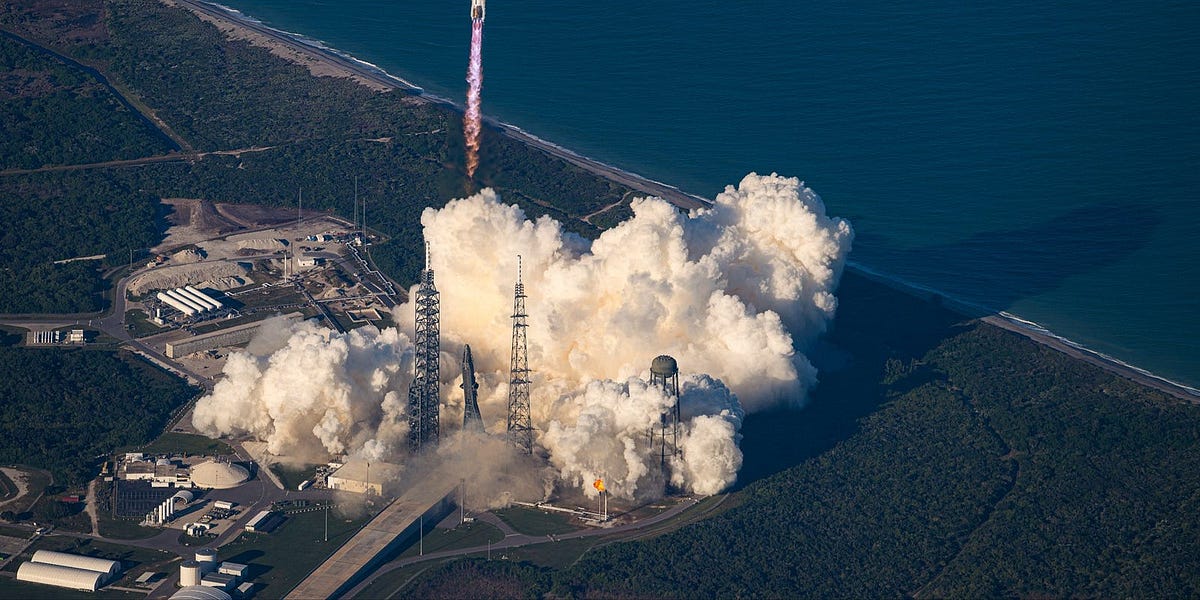
SpaceX launched 29 Starlink satellites today from Cape Canaveral using their Falcon 9 rocket. This mission marks the company’s 99th orbital launch of the year, showcasing their rapid deployment cadence. Starlink satellites are part of SpaceX’s strategy to enhance global internet connectivity, especially in remote areas.
Let’s explore the significance of this launch and its potential impact. SpaceX’s Rapid Launch Cadence SpaceX’s latest launch signifies their commitment to expanding global internet access. By deploying 29 more Starlink satellites, the company continues its high-frequency launch schedule, inching closer to the completion of its Starlink constellation.
The mission from Cape Canaveral further demonstrates SpaceX’s technical prowess and operational efficiency. The 99th launch this year underscores SpaceX’s role as a leader in satellite deployment. With the Falcon 9 rocket, known for its reliability and reusability, SpaceX keeps reducing costs and speeding up operations, enabling more frequent launches and faster service expansion.
Enhancing Global Internet Connectivity Starlink satellites are pivotal in bridging the digital divide, bringing high-speed internet to underserved locations. With today’s launch, SpaceX boosts the capacity of its constellation, aiming to provide better coverage and faster internet speeds worldwide.
This expansion is essential for reaching remote and rural areas where traditional internet infrastructure is lacking. Starlink’s growing network promises to transform access to educational resources, telemedicine, and business opportunities in these communities. This mission brings us closer to a future where internet connectivity is ubiquitous and reliable, supporting various sectors.
Significance of the Falcon 9 Rocket The Falcon 9 rocket remains a cornerstone of SpaceX’s space missions. Its successful deployment of Starlink satellites today exemplifies its reliability. Reusability, a key feature of Falcon 9, has revolutionized space launches, cutting costs and enabling frequent missions.
As the workhorse for SpaceX launches, Falcon 9’s capabilities are pivotal for maintaining SpaceX’s lead in space transportation. The efficient design and operational success of Falcon 9 ensure that SpaceX can continue its aggressive launch schedule, vital for meeting global connectivity goals. Investor and Market Reactions Today’s SpaceX launch has stirred reactions both in media and on platforms like Reddit.
Many investors view SpaceX’s consistent launches as a strength, enhancing confidence in SpaceX’s approach. However, as a private company, these events mainly influence investor sentiment rather than stock prices. The anticipation of Starlink’s expanded services excites consumers as well, hinting at significant market demand.
This growing reliability and coverage are factors likely to cement SpaceX’s position in the competitive space technology arena. Read more on reactions here. Final Thoughts SpaceX’s launch today is a significant step in the drive to improve global connectivity. By deploying 29 Starlink satellites, SpaceX not only advances its constellation but also accelerates the reach of high-speed internet to underserved regions.
The Falcon 9 rocket’s proven reliability ensures that launches continue smoothly, maintaining SpaceX’s rapid deployment pace. This ongoing expansion will likely lead to enhanced services, new market opportunities, and a more connected world. Whether you’re a SpaceX follower or a tech enthusiast, today’s success is a testament to innovation’s impact on bridging digital gaps worldwide.
Meyka, an AI-powered platform, offers real-time insights into such dynamic events, empowering investors and tech enthusiasts with predictive analytics. Stay informed about SpaceX and more through Meyka’s offerings. FAQs What is the primary purpose of Starlink satellites?Starlink satellites aim to provide high-speed internet to remote areas, improving access in underserved regions globally.
By expanding coverage, they promise to enhance connectivity for education, healthcare, and business. How often does SpaceX launch its satellites?SpaceX maintains a high-frequency launch schedule. The latest deployment is their 99th orbital launch this year, reflecting their commitment to accelerating global internet coverage via frequent satellite deployments.
What makes the Falcon 9 rocket significant?Falcon 9’s reusability and reliability make it crucial for SpaceX’s operations. It reduces costs and supports frequent launches, enabling SpaceX to maintain a rapid satellite deployment rate, essential for advancing their global connectivity goals. Disclaimer: The content shared by Meyka AI PTY LTD is solely for research and informational purposes.
Meyka is not a financial advisory service, and the information provided should not be considered investment or trading advice.
Source coverage
This news report details a recent SpaceX launch that deployed 29 Starlink satellites, highlighting the company's rapid operational pace and its ongoing mission to expand global internet access.
---
Deeper analysis
Full source content
SpaceX launched 29 Starlink satellites today from Cape Canaveral using their Falcon 9 rocket. This mission marks the company’s 99th orbital launch of the year, showcasing their rapid deployment cadence. Starlink satellites are part of SpaceX’s strategy to enhance global internet connectivity, especially in remote areas.
Let’s explore the significance of this launch and its potential impact. SpaceX’s Rapid Launch Cadence SpaceX’s latest launch signifies their commitment to expanding global internet access. By deploying 29 more Starlink satellites, the company continues its high-frequency launch schedule, inching closer to the completion of its Starlink constellation.
The mission from Cape Canaveral further demonstrates SpaceX’s technical prowess and operational efficiency. The 99th launch this year underscores SpaceX’s role as a leader in satellite deployment. With the Falcon 9 rocket, known for its reliability and reusability, SpaceX keeps reducing costs and speeding up operations, enabling more frequent launches and faster service expansion.
Enhancing Global Internet Connectivity Starlink satellites are pivotal in bridging the digital divide, bringing high-speed internet to underserved locations. With today’s launch, SpaceX boosts the capacity of its constellation, aiming to provide better coverage and faster internet speeds worldwide.
This expansion is essential for reaching remote and rural areas where traditional internet infrastructure is lacking. Starlink’s growing network promises to transform access to educational resources, telemedicine, and business opportunities in these communities. This mission brings us closer to a future where internet connectivity is ubiquitous and reliable, supporting various sectors.
Significance of the Falcon 9 Rocket The Falcon 9 rocket remains a cornerstone of SpaceX’s space missions. Its successful deployment of Starlink satellites today exemplifies its reliability. Reusability, a key feature of Falcon 9, has revolutionized space launches, cutting costs and enabling frequent missions.
As the workhorse for SpaceX launches, Falcon 9’s capabilities are pivotal for maintaining SpaceX’s lead in space transportation. The efficient design and operational success of Falcon 9 ensure that SpaceX can continue its aggressive launch schedule, vital for meeting global connectivity goals. Investor and Market Reactions Today’s SpaceX launch has stirred reactions both in media and on platforms like Reddit.
Many investors view SpaceX’s consistent launches as a strength, enhancing confidence in SpaceX’s approach. However, as a private company, these events mainly influence investor sentiment rather than stock prices. The anticipation of Starlink’s expanded services excites consumers as well, hinting at significant market demand.
This growing reliability and coverage are factors likely to cement SpaceX’s position in the competitive space technology arena. Read more on reactions here. Final Thoughts SpaceX’s launch today is a significant step in the drive to improve global connectivity. By deploying 29 Starlink satellites, SpaceX not only advances its constellation but also accelerates the reach of high-speed internet to underserved regions.
The Falcon 9 rocket’s proven reliability ensures that launches continue smoothly, maintaining SpaceX’s rapid deployment pace. This ongoing expansion will likely lead to enhanced services, new market opportunities, and a more connected world. Whether you’re a SpaceX follower or a tech enthusiast, today’s success is a testament to innovation’s impact on bridging digital gaps worldwide.
Meyka, an AI-powered platform, offers real-time insights into such dynamic events, empowering investors and tech enthusiasts with predictive analytics. Stay informed about SpaceX and more through Meyka’s offerings. FAQs What is the primary purpose of Starlink satellites?Starlink satellites aim to provide high-speed internet to remote areas, improving access in underserved regions globally.
By expanding coverage, they promise to enhance connectivity for education, healthcare, and business. How often does SpaceX launch its satellites?SpaceX maintains a high-frequency launch schedule. The latest deployment is their 99th orbital launch this year, reflecting their commitment to accelerating global internet coverage via frequent satellite deployments.
What makes the Falcon 9 rocket significant?Falcon 9’s reusability and reliability make it crucial for SpaceX’s operations. It reduces costs and supports frequent launches, enabling SpaceX to maintain a rapid satellite deployment rate, essential for advancing their global connectivity goals. Disclaimer: The content shared by Meyka AI PTY LTD is solely for research and informational purposes.
Meyka is not a financial advisory service, and the information provided should not be considered investment or trading advice.
How this page is built
Goose Pod turns cited reporting into a public episode summary first, then pairs that summary with audio playback so listeners can check the source material before they decide how deeply to engage.
The goal is to make this page useful as a news landing page first, while still giving listeners transcript access, related episodes, and direct links back to the original publishers.