
What happened
Etsy's new rules target AI-driven listings, but the harder question is whether the platform can verify handmade claims at scale.
* [Fortune 500](/section/fortune-500/)
* [Multimedia](/multimedia/)
Some Fortune Crypto pricing data is provided by Binance.
[AI](/section/artificial-intelligence/)[Business](/tag/business/)
# AI is just the newest threat to Etsy’s handmade promise
By
[Tatiana Sataua](/author/tatiana-sataua/)
Tatiana Sataua
News Fellow
By
[Tatiana Sataua](/author/tatiana-sataua/)
Tatiana Sataua
News Fellow
November 2, 2026, 4:17 PM ET
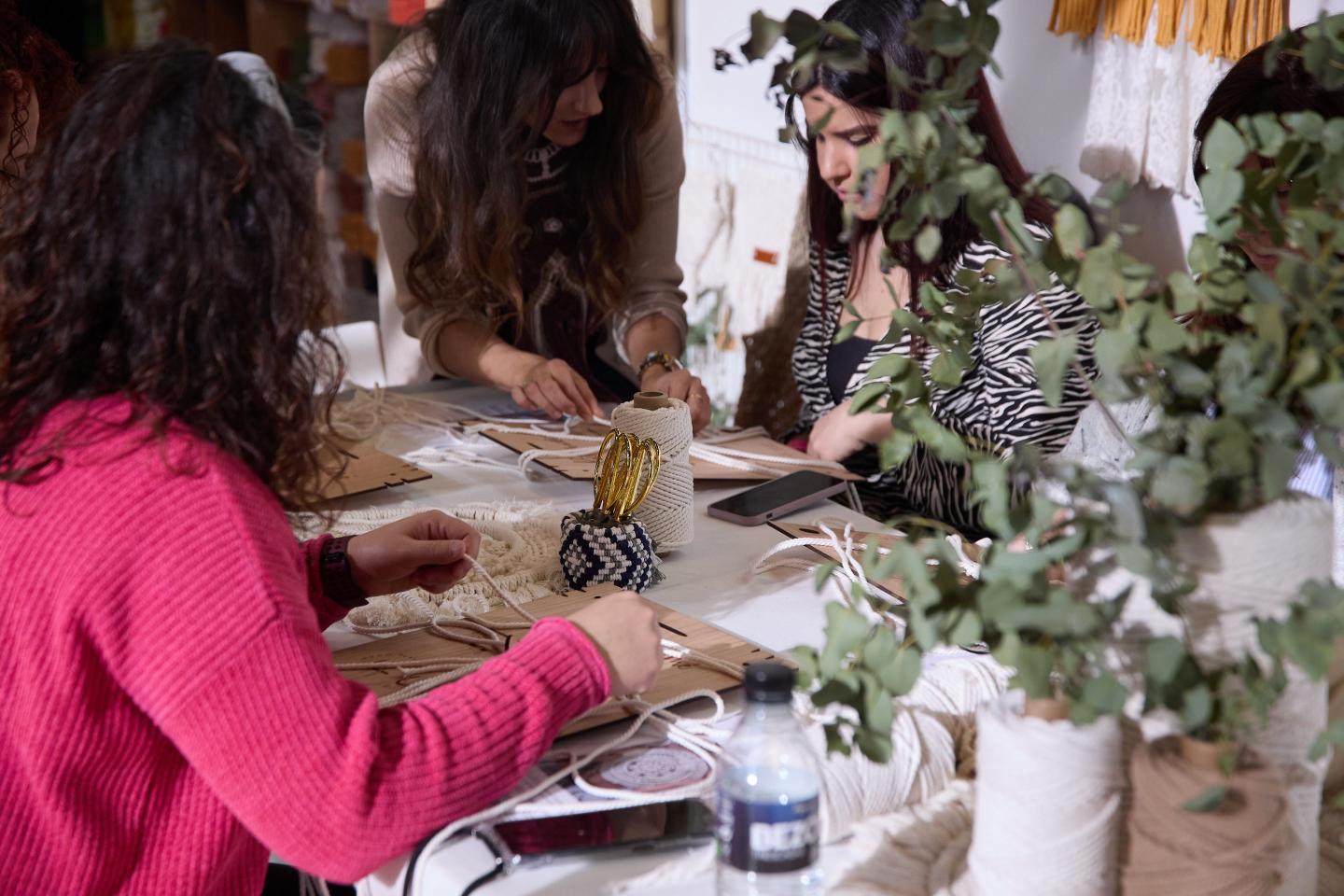
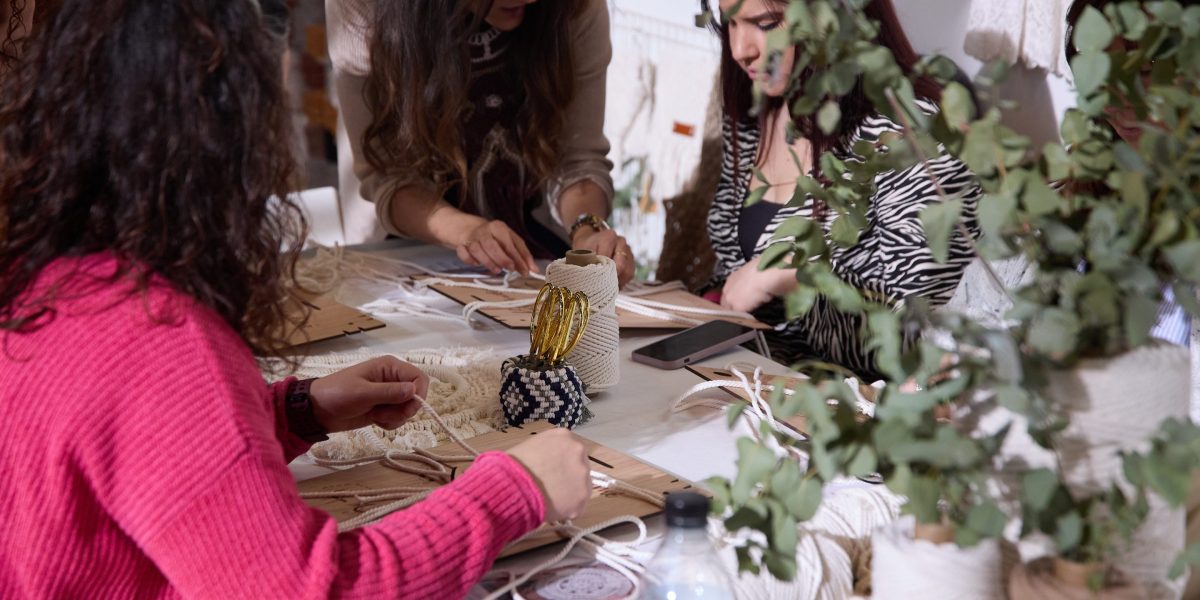
Etsy’s new rules target AI-generated listings, but the marketplace has long struggled to verify what’s truly handmade.Jesus Hellin/Europa Press via Getty Images
Add Fortune on Google for similar content.
Etsy built its name on a simple promise: the things for sale were made by [real people](https://fortune.com/2026/10/15/apples-hand-embroidered-product-launch/)—real hands. That promise has been wearing thin for years, first as resold and mass-produced goods crept onto the site, then as AI-generated products and listings poured in. Now Etsy is cracking down on the newest threat.
Recommended Video
---
When Etsy launched in 2005, the marketplace won a devoted following with its “[keeping commerce human](https://www.etsy.com/news/keeping-commerce-human-having-a-positive-impact-on-people-and-planet)” ethos and its focus on small sellers offering original, often handmade work. As it grew, though, the site filled with goods made in factories or bought wholesale, some of them passed off as handmade.
Then came AI slop. The term covers two overlapping problems: products made with generative AI, such as digital prints and portraits, and also listings churned out by AI or bots, sometimes with polished AI-generated images that don’t match what buyers receive.
One artist [told NBC News](https://www.nbcnews.com/tech/tech-news/etsy-crochet-buyers-suspect-ai-made-images-used-sell-patterns-rcna145878) in 2024 that AI-made pet portraits were outranking her work and selling for a fraction of her price. And crochet shoppers complained that patterns they bought produced plush items that looked nothing like the listing’s image, which they suspected were generated by AI.
On Oct. 22, [Etsy announced rules](https://www.etsy.com/news/creativity-and-trust-in-the-age-of-ai?ref=news) aimed at the problem. They require sellers to include at least one unaltered photo of the actual item against a real background. The company also bans bot-generated listings without human involvement and functional guides, such as patterns and recipes, created with AI. Listings for those guides must also show a real result made from the instructions. Etsy says it will expand removals as its detection tools improve and make misleading AI imagery easier to report.
“As AI makes it easier to create and replicate products at scale, we believe the human creativity, craftsmanship and connection that have always made Etsy special will matter even more,” CEO Kruti Patel Goyal, who took over at the start of the year, [told investors last week](https://fortune.com/2026/10/29/etsy-ceo-ai-listings-crack-down-buyers-return/).
But its crackdown targets certain uses of the technology rather than banning AI altogether. In fact, the online marketplace is also using AI to improve product recommendations and help sellers run their businesses, while developing tools to identify listings that violate its rules.
However, writing the rules may be the easy part. “The main difficulty is that ‘handmade’ is hard to define precisely and even harder to verify at scale,” Andrei Hagiu, a Boston University business professor who studies platform strategy, told *Fortune*.
A seller might make an item from scratch, assemble purchased components, or design something another company manufactures, he said—differences that may be invisible in the finished product.
“A buyer can be perfectly happy with a product without knowing whether it was actually handmade,” Hagiu said.
## **The cost of losing trust**
Even before the advent of generative AI, Etsy was playing a cat-and-mouse game against those trying to bend or break the rules.
Etsy [already prohibits](https://help.etsy.com/hc/en-us/articles/23948763872151-Does-Etsy-Allow-Drop-Shipping-or-Reselling?segment=selling) most reselling and dropshipping, in which sellers list goods that a supplier ships directly to buyers, with limited exceptions. Both run against Etsy’s premise that sellers make or design what they sell. The company does allow production partners to manufacture sellers’ original designs. The challenge is telling those arrangements apart from sellers passing off commercially available goods as their own work.
One buyer ran into that problem firsthand. Reddit user [“RegulatoryCapture](https://www.reddit.com/r/news/comments/1xdkido/comment/19rjuxoq3xlwi/),” who asked not to be named due to privacy reasons, paid $4.38 for [picnic-table plans](https://www.etsy.com/listing/694226445/picnic-table-plans-backyard-furniture) from Etsy shop WoodGears, expecting to build the table pictured in the listing. Instead, they told *Fortune* the instructions were for a different table and were available for free on [a cedar industry group’s website](https://www.realcedar.com/outdoor/free-diy-project-plans/classic-picnic-table). The listing’s photo belonged to [Dan’s Outdoor Furniture](https://dansoutdoorfurniture.com/product/red-cedar-7-foot-commercial-picnic-table-with-attached-seats/). WoodGears refunded the purchase, but the experience left the buyer questioning a marketplace they had trusted enough to buy their wedding band and the wallet they carry every day.
“You might think you are supporting a small creator selling plans, but that’s not the case,” they said. “At this point, there’s a very limited set of things I would buy on Etsy, and only if I couldn’t find another way to get it.”
The frustration continued after the refund. The buyer said they tried to alert Etsy, but could no longer access support through the order. The listing was [still available](https://www.etsy.com/listing/694226445/picnic-table-plans-backyard-furniture?ls=r&sr_prefetch=1&pf_from=shop_home&ref=items-pagination-1&crt=1&sts=1&dd=1&content_source=64cfe78ba303c9e999bd28240ded75c8%253ALT80bccdc15e222f6a14f0941db673229274925e45&logging_key=64cfe78ba303c9e999bd28240ded75c8%3ALT80bccdc15e222f6a14f0941db673229274925e45) as of late October, roughly a year and a half after their purchase, they said.
Dan’s Outdoor Furniture confirmed to *Fortune* that the company never gave the seller permission to use its photo. Etsy and WoodGears did not respond to requests for comment.
It’s unclear whether AI played a role in the WoodGears listing, but catching that kind of deception means figuring out how something was made from a listing alone, and Etsy’s AI rules run into the same problem.
“Etsy’s restrictions on sellers’ use of AI illustrate a similar governance problem,” Hagiu said. “The objectives are understandable, but determining how a product or image was created is costly, and enforcement will inevitably be imperfect.”
## **What would count as proof?**
Hagiu’s proposed fix would separate permission to sell on Etsy from certification that a product is handmade. Etsy would allow a broader range of accurately described products, while sellers could apply for verified handmade status on specific items by submitting evidence of how they’re made, subject to clear standards and periodic audits. Buyers could then filter for certified listings.
The badge would have to reflect actual verification, rather than simply a seller paying for it, he said. It’s his recommendation, not an Etsy program, and it would still involve costs and mistakes.
That approach would focus Etsy’s verification efforts on sellers seeking the designation, giving makers a way to distinguish their work without requiring the company to establish the production history of every item on the site.
“AI will likely have difficulty distinguishing counterfeit from genuine products based on pictures alone, let alone handmade from non-handmade goods,” Hagiu said. It can flag apparent copies, he added, but finding the same photo on a wholesale site doesn’t necessarily establish who copied whom.
“A narrower promise that the platform can credibly uphold may be more valuable than a broad promise it cannot reliably enforce,” he said.
***Fortune Daily*** breaks the traditional barrier between audience and newsroom. The show transforms *Fortune*’s trusted reporting into actionable, conversational, and entertaining insights for an emerging class of business leaders. [**Watch here.**](https://fortune.com/topic/fortune-daily/?&itm_source=fortune&itm_medium=article_tout&itm_campaign=fortune_daily)
About the Author
By [Tatiana Sataua](/author/tatiana-sataua/)News Fellow
Tatiana Sataua is a News Fellow at *Fortune* covering business, technology, AI, and consumer culture.
[See full bio](/author/tatiana-sataua/)
Add Fortune on Google for similar content.
---
Latest in AI
---
---
---
Most Popular
---
---
---
Recommended For You
---
---
© 2026 Fortune Media IP Limited. All Rights Reserved. Use of this site constitutes acceptance of our [Terms of Use](https://fortune.com/terms-of-use/) and [Privacy Policy](https://fortune.com/privacy-policy/) | [CA Notice at Collection and Privacy Notice](/california-privacy-policy/#notice) | [Do Not Sell/Share My Personal Information](#) FORTUNE is a trademark of Fortune Media IP Limited, registered in the U.S. and other countries. FORTUNE may receive compensation for some links to products and services on this website. Offers may be subject to change without notice.
Source coverage
Some Fortune Crypto pricing data is provided by Binance.
AIBusiness
Full source content
* [Fortune 500](/section/fortune-500/)
* [Multimedia](/multimedia/)
Some Fortune Crypto pricing data is provided by Binance.
[AI](/section/artificial-intelligence/)[Business](/tag/business/)
# AI is just the newest threat to Etsy’s handmade promise
By
[Tatiana Sataua](/author/tatiana-sataua/)
Tatiana Sataua
News Fellow
By
[Tatiana Sataua](/author/tatiana-sataua/)
Tatiana Sataua
News Fellow
November 2, 2026, 4:17 PM ET

Etsy’s new rules target AI-generated listings, but the marketplace has long struggled to verify what’s truly handmade.Jesus Hellin/Europa Press via Getty Images
Add Fortune on Google for similar content.
Etsy built its name on a simple promise: the things for sale were made by [real people](https://fortune.com/2026/10/15/apples-hand-embroidered-product-launch/)—real hands. That promise has been wearing thin for years, first as resold and mass-produced goods crept onto the site, then as AI-generated products and listings poured in. Now Etsy is cracking down on the newest threat.
Recommended Video
---
When Etsy launched in 2005, the marketplace won a devoted following with its “[keeping commerce human](https://www.etsy.com/news/keeping-commerce-human-having-a-positive-impact-on-people-and-planet)” ethos and its focus on small sellers offering original, often handmade work. As it grew, though, the site filled with goods made in factories or bought wholesale, some of them passed off as handmade.
Then came AI slop. The term covers two overlapping problems: products made with generative AI, such as digital prints and portraits, and also listings churned out by AI or bots, sometimes with polished AI-generated images that don’t match what buyers receive.
One artist [told NBC News](https://www.nbcnews.com/tech/tech-news/etsy-crochet-buyers-suspect-ai-made-images-used-sell-patterns-rcna145878) in 2024 that AI-made pet portraits were outranking her work and selling for a fraction of her price. And crochet shoppers complained that patterns they bought produced plush items that looked nothing like the listing’s image, which they suspected were generated by AI.
On Oct. 22, [Etsy announced rules](https://www.etsy.com/news/creativity-and-trust-in-the-age-of-ai?ref=news) aimed at the problem. They require sellers to include at least one unaltered photo of the actual item against a real background. The company also bans bot-generated listings without human involvement and functional guides, such as patterns and recipes, created with AI. Listings for those guides must also show a real result made from the instructions. Etsy says it will expand removals as its detection tools improve and make misleading AI imagery easier to report.
“As AI makes it easier to create and replicate products at scale, we believe the human creativity, craftsmanship and connection that have always made Etsy special will matter even more,” CEO Kruti Patel Goyal, who took over at the start of the year, [told investors last week](https://fortune.com/2026/10/29/etsy-ceo-ai-listings-crack-down-buyers-return/).
But its crackdown targets certain uses of the technology rather than banning AI altogether. In fact, the online marketplace is also using AI to improve product recommendations and help sellers run their businesses, while developing tools to identify listings that violate its rules.
However, writing the rules may be the easy part. “The main difficulty is that ‘handmade’ is hard to define precisely and even harder to verify at scale,” Andrei Hagiu, a Boston University business professor who studies platform strategy, told *Fortune*.
A seller might make an item from scratch, assemble purchased components, or design something another company manufactures, he said—differences that may be invisible in the finished product.
“A buyer can be perfectly happy with a product without knowing whether it was actually handmade,” Hagiu said.
## **The cost of losing trust**
Even before the advent of generative AI, Etsy was playing a cat-and-mouse game against those trying to bend or break the rules.
Etsy [already prohibits](https://help.etsy.com/hc/en-us/articles/23948763872151-Does-Etsy-Allow-Drop-Shipping-or-Reselling?segment=selling) most reselling and dropshipping, in which sellers list goods that a supplier ships directly to buyers, with limited exceptions. Both run against Etsy’s premise that sellers make or design what they sell. The company does allow production partners to manufacture sellers’ original designs. The challenge is telling those arrangements apart from sellers passing off commercially available goods as their own work.
One buyer ran into that problem firsthand. Reddit user [“RegulatoryCapture](https://www.reddit.com/r/news/comments/1xdkido/comment/19rjuxoq3xlwi/),” who asked not to be named due to privacy reasons, paid $4.38 for [picnic-table plans](https://www.etsy.com/listing/694226445/picnic-table-plans-backyard-furniture) from Etsy shop WoodGears, expecting to build the table pictured in the listing. Instead, they told *Fortune* the instructions were for a different table and were available for free on [a cedar industry group’s website](https://www.realcedar.com/outdoor/free-diy-project-plans/classic-picnic-table). The listing’s photo belonged to [Dan’s Outdoor Furniture](https://dansoutdoorfurniture.com/product/red-cedar-7-foot-commercial-picnic-table-with-attached-seats/). WoodGears refunded the purchase, but the experience left the buyer questioning a marketplace they had trusted enough to buy their wedding band and the wallet they carry every day.
“You might think you are supporting a small creator selling plans, but that’s not the case,” they said. “At this point, there’s a very limited set of things I would buy on Etsy, and only if I couldn’t find another way to get it.”
The frustration continued after the refund. The buyer said they tried to alert Etsy, but could no longer access support through the order. The listing was [still available](https://www.etsy.com/listing/694226445/picnic-table-plans-backyard-furniture?ls=r&sr_prefetch=1&pf_from=shop_home&ref=items-pagination-1&crt=1&sts=1&dd=1&content_source=64cfe78ba303c9e999bd28240ded75c8%253ALT80bccdc15e222f6a14f0941db673229274925e45&logging_key=64cfe78ba303c9e999bd28240ded75c8%3ALT80bccdc15e222f6a14f0941db673229274925e45) as of late October, roughly a year and a half after their purchase, they said.
Dan’s Outdoor Furniture confirmed to *Fortune* that the company never gave the seller permission to use its photo. Etsy and WoodGears did not respond to requests for comment.
It’s unclear whether AI played a role in the WoodGears listing, but catching that kind of deception means figuring out how something was made from a listing alone, and Etsy’s AI rules run into the same problem.
“Etsy’s restrictions on sellers’ use of AI illustrate a similar governance problem,” Hagiu said. “The objectives are understandable, but determining how a product or image was created is costly, and enforcement will inevitably be imperfect.”
## **What would count as proof?**
Hagiu’s proposed fix would separate permission to sell on Etsy from certification that a product is handmade. Etsy would allow a broader range of accurately described products, while sellers could apply for verified handmade status on specific items by submitting evidence of how they’re made, subject to clear standards and periodic audits. Buyers could then filter for certified listings.
The badge would have to reflect actual verification, rather than simply a seller paying for it, he said. It’s his recommendation, not an Etsy program, and it would still involve costs and mistakes.
That approach would focus Etsy’s verification efforts on sellers seeking the designation, giving makers a way to distinguish their work without requiring the company to establish the production history of every item on the site.
“AI will likely have difficulty distinguishing counterfeit from genuine products based on pictures alone, let alone handmade from non-handmade goods,” Hagiu said. It can flag apparent copies, he added, but finding the same photo on a wholesale site doesn’t necessarily establish who copied whom.
“A narrower promise that the platform can credibly uphold may be more valuable than a broad promise it cannot reliably enforce,” he said.
***Fortune Daily*** breaks the traditional barrier between audience and newsroom. The show transforms *Fortune*’s trusted reporting into actionable, conversational, and entertaining insights for an emerging class of business leaders. [**Watch here.**](https://fortune.com/topic/fortune-daily/?&itm_source=fortune&itm_medium=article_tout&itm_campaign=fortune_daily)
About the Author
By [Tatiana Sataua](/author/tatiana-sataua/)News Fellow
Tatiana Sataua is a News Fellow at *Fortune* covering business, technology, AI, and consumer culture.
[See full bio](/author/tatiana-sataua/)
Add Fortune on Google for similar content.
---
Latest in AI
---
---
---
Most Popular
---
---
---
Recommended For You
---
---
© 2026 Fortune Media IP Limited. All Rights Reserved. Use of this site constitutes acceptance of our [Terms of Use](https://fortune.com/terms-of-use/) and [Privacy Policy](https://fortune.com/privacy-policy/) | [CA Notice at Collection and Privacy Notice](/california-privacy-policy/#notice) | [Do Not Sell/Share My Personal Information](#) FORTUNE is a trademark of Fortune Media IP Limited, registered in the U.S. and other countries. FORTUNE may receive compensation for some links to products and services on this website. Offers may be subject to change without notice.
How this page is built
Goose Pod turns cited reporting into a public episode summary first, then pairs that summary with audio playback so listeners can check the source material before they decide how deeply to engage.
The goal is to make this page useful as a news landing page first, while still giving listeners transcript access, related episodes, and direct links back to the original publishers.


