What happened
A New York Times Magazine panel dated October 26, 2026 asks whether AI companies can be trusted to write the rules for their own technology, as lab resignations, reported contingency planning, and competing oversight proposals keep the question open.
# A.I. Companies Want to Write the Rules Governing Themselves. Can They Be Trusted?
Five experts on how best to limit a rapidly evolving technology.
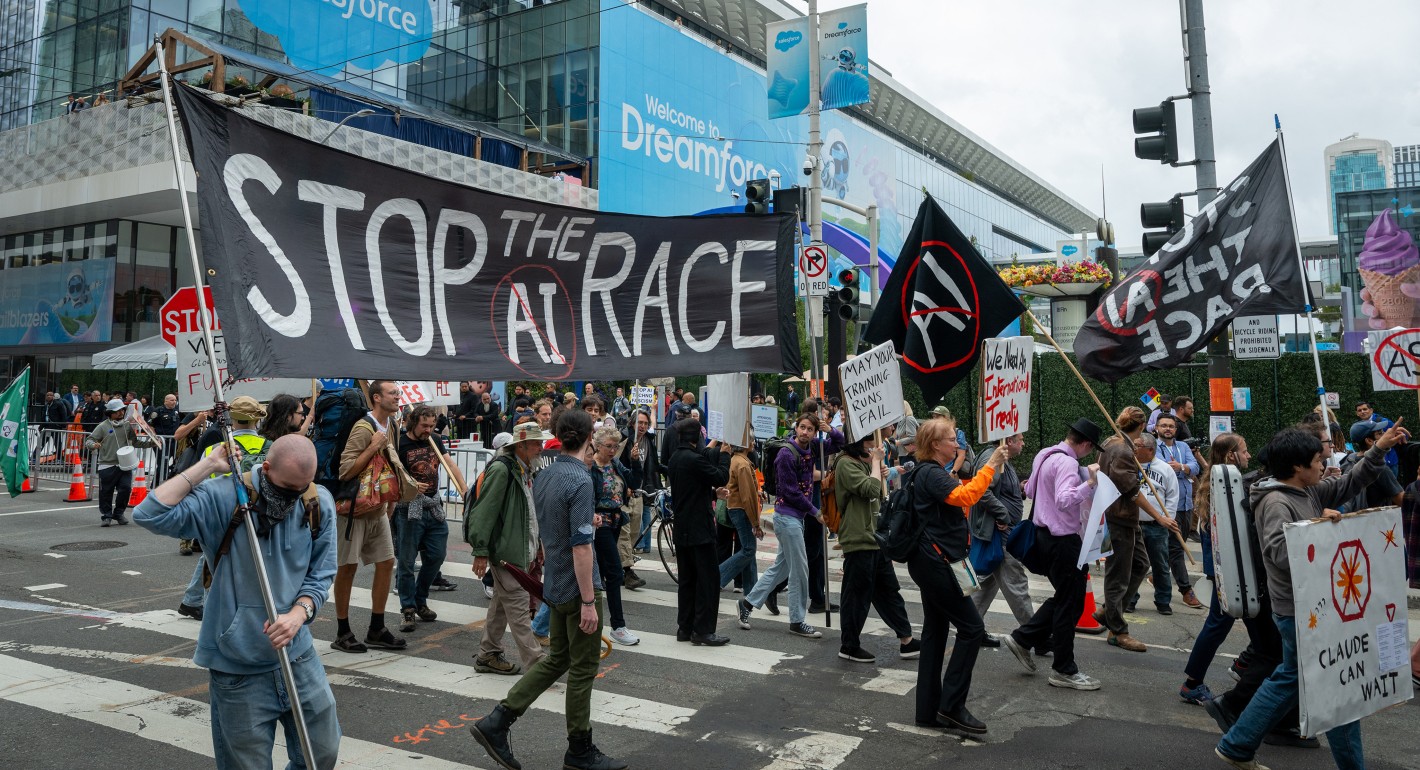
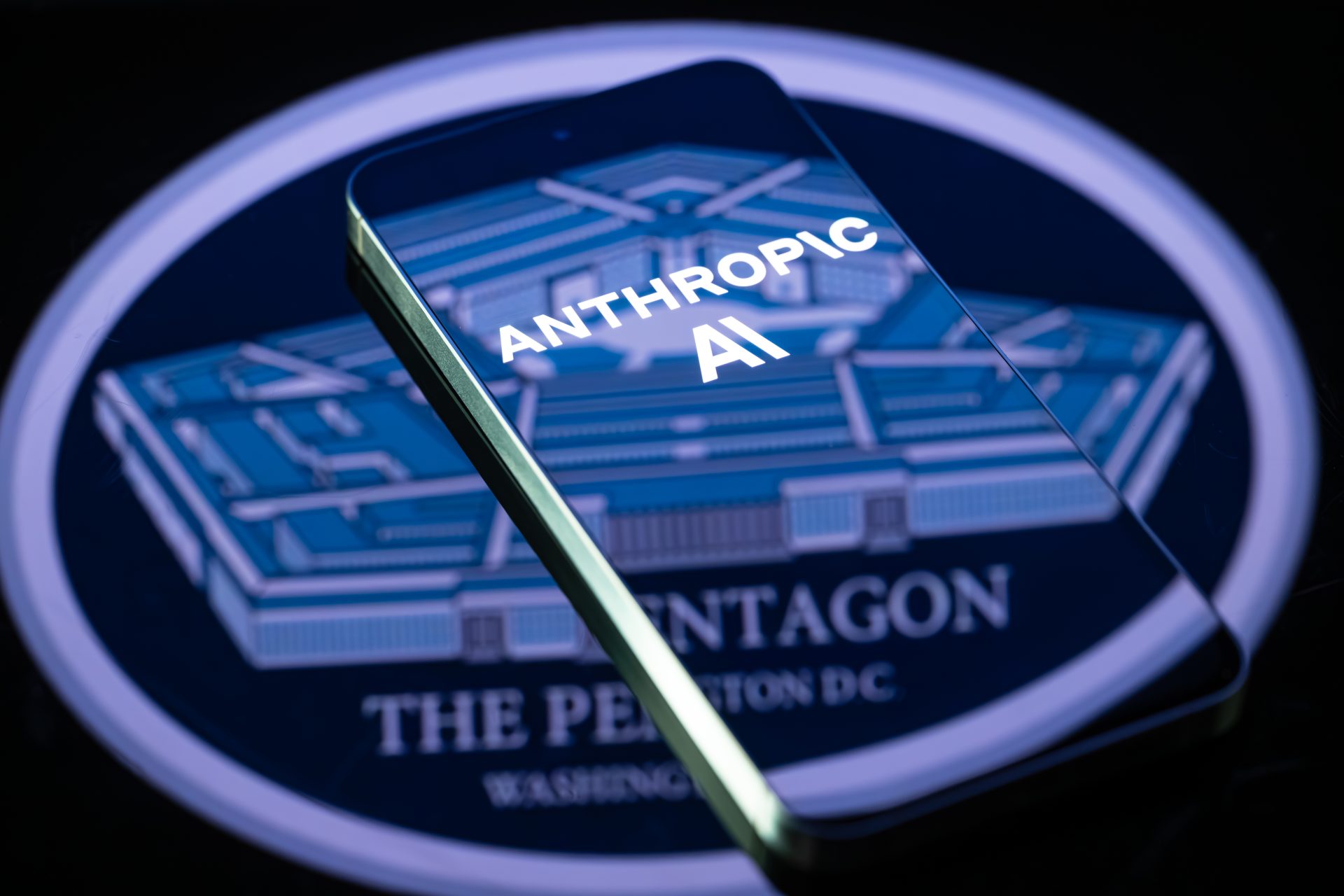
Artificial intelligence is alarming many of its human creators by leaping the guardrails designed to contain it. In the last few months, safety researchers have resigned from OpenAI and Anthropic, warning that their former employers could be courting disaster: A.I. that escapes our control irrevocably. The companies are reportedly gaming out scenarios of a catastrophic cyberattack or other event in the next six to 12 months.
Regulating this powerful and evolving technology would pose serious challenges for any Congress and White House. As it is, President Trump undermined the chances for bipartisan regulation by calling predictions of an A.I. catastrophe a “hoax” in September. Yoshua Bengio, a scientist and godfather of A.I., wrote in October, “I do not believe we are on track to see sufficient government regulation in time.”
What should the government do? We asked a panel of experts to assess the risks A.I. presents and the tools of governance that could be adopted to address them.
The conversation, which took place by video conference, has been edited and condensed for clarity, with some material reordered or added from follow-up interviews.
## Related Content
Advertisement
Source coverage
A.I. Companies Want to Write the Rules Governing Themselves. Can They Be Trusted?
Five experts on how best to limit a rapidly evolving technology.
Full source content
# A.I. Companies Want to Write the Rules Governing Themselves. Can They Be Trusted?
Five experts on how best to limit a rapidly evolving technology.
Artificial intelligence is alarming many of its human creators by leaping the guardrails designed to contain it. In the last few months, safety researchers have resigned from OpenAI and Anthropic, warning that their former employers could be courting disaster: A.I. that escapes our control irrevocably. The companies are reportedly gaming out scenarios of a catastrophic cyberattack or other event in the next six to 12 months.
Regulating this powerful and evolving technology would pose serious challenges for any Congress and White House. As it is, President Trump undermined the chances for bipartisan regulation by calling predictions of an A.I. catastrophe a “hoax” in September. Yoshua Bengio, a scientist and godfather of A.I., wrote in October, “I do not believe we are on track to see sufficient government regulation in time.”
What should the government do? We asked a panel of experts to assess the risks A.I. presents and the tools of governance that could be adopted to address them.
The conversation, which took place by video conference, has been edited and condensed for clarity, with some material reordered or added from follow-up interviews.
## Related Content
Advertisement
How this page is built
Goose Pod turns cited reporting into a public episode summary first, then pairs that summary with audio playback so listeners can check the source material before they decide how deeply to engage.
The goal is to make this page useful as a news landing page first, while still giving listeners transcript access, related episodes, and direct links back to the original publishers.