

What happened
The IRS is backtracking on its guarantee of back pay for furloughed employees, despite the Government Employee Fair Treatment Act of 2019. This creates confusion and financial stress for federal workers, undermining trust and government efficiency. The OMB's attempt to reinterpret the law is seen as a politically...
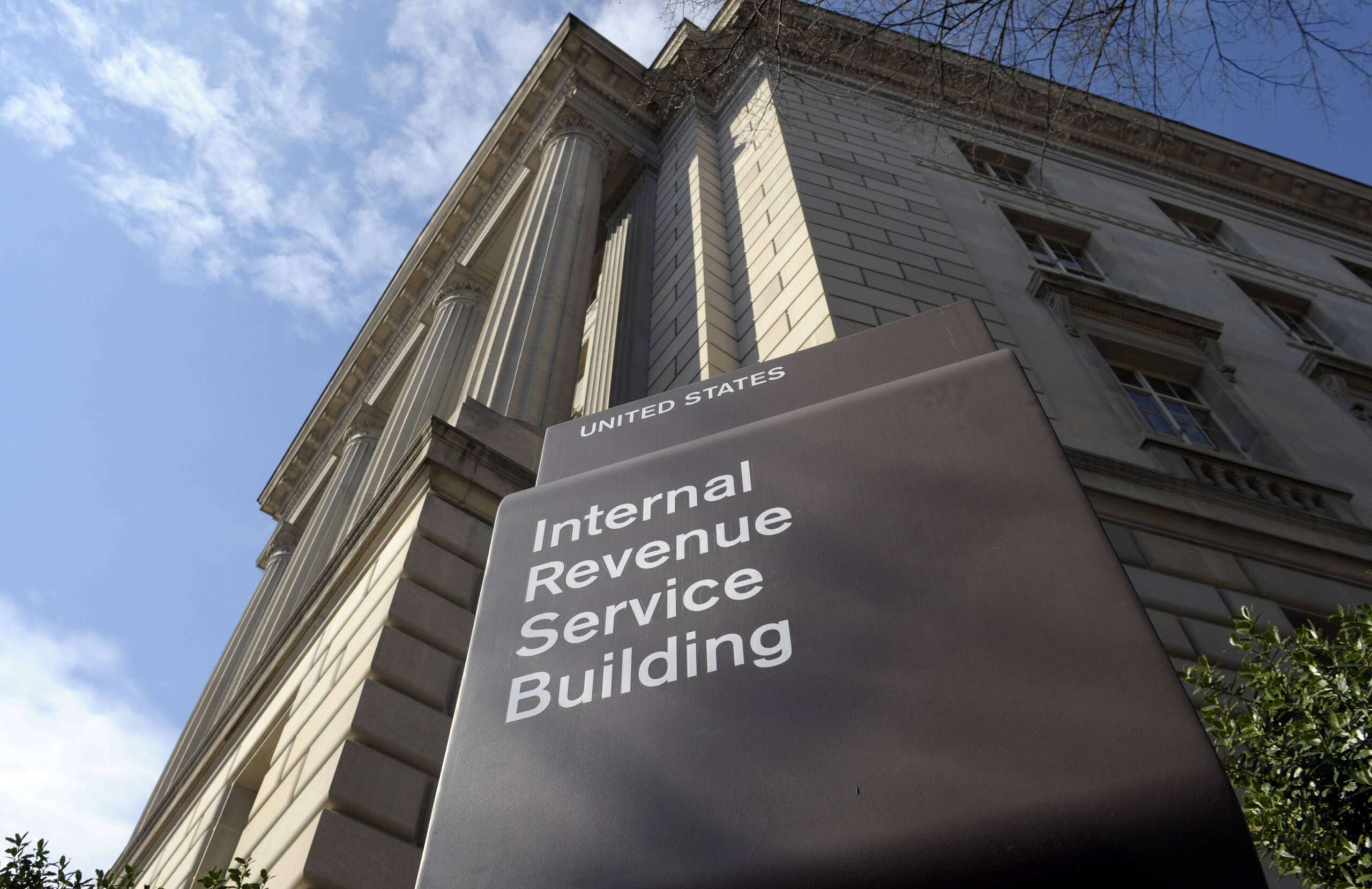
The IRS is walking back guidance it recently sent to furloughed employees that assured them that they are guaranteed back pay once the government shutdown ends. The agency, in its latest notice, is deferring to the Office of Management and Budget, which on Tuesday floated the possibility that furloughed federal employees would not be guaranteed back pay.
Legislation that President Trump signed in January 2019, which ended a record 35-day government shutdown, guaranteed back pay to these employees once any shutdown ends. A copy of the notice, shared with Federal News Network, states “an earlier memo circulated on furlough guidance incorrectly stated the nature of the Government Employee Fair Treatment Act of 2019, as it relates to compensation for non-pay and non-duty status.
” “The Office of Management and Budget will provide guidance on this issue, and you will be updated accordingly,” the IRS wrote. An IRS employee told Federal News Network that earlier guidance emailed to employees on Wednesday was automatically deleted from their inboxes by Thursday. Federal News Network has reached out to OMB and the IRS for comment.
Even though the IRS is backtracking on its backpay guarantee, earlier guidance guaranteeing back pay is still available on its website providing shutdown guidance to employees. The IRS told furloughed employees on Wednesday that, “although you will be placed in non-pay and non-duty status during the furlough, the Government Employee Fair Treatment Act of 2019 requires employees of the federal government who are furloughed or required to work during a lapse in appropriations to be compensated for the period of the lapse.
” “The employees must be compensated on the earliest date possible after the lapse ends, regardless of scheduled pay dates,” the notice stated. OMB circulated a draft legal opinion on Tuesday stating that furloughed federal employees will no longer be automatically guaranteed back pay. Instead, OMB argued that lawmakers must explicitly approve back pay for furloughed employees in a stopgap spending bill.
OMB’s memo immediately provoked bipartisan pushback from congressional leaders, and attorneys told Federal News Network that the proposal would likely come under legal scrutiny. House Speaker Mike Johnson (R-La.) told reporters on Wednesday that “it’s my understanding that the law is that they would be paid.
” “There is some other legal analysis that’s floating around. I haven’t yet had time to dig into and read that. But it has always been the case — that is, tradition and I think statutory law — that federal employees be paid,” Johnson said. “And that’s my position. I think they should be. They should not be subjected to harm and financial dire straits.
” An IRS employee told Federal News Network that this latest update was “really confusing and stressful.” “No one knows who’s getting paid and who will not,” the employee said. This is a developing story and will be updated. Copyright © 2025 Federal News Network. All rights reserved. This website is not intended for users located within the European Economic Area.
Source coverage
Publisher: Federal News Network
Author: Jory Heckman
Deeper analysis
Full source content
The IRS is walking back guidance it recently sent to furloughed employees that assured them that they are guaranteed back pay once the government shutdown ends. The agency, in its latest notice, is deferring to the Office of Management and Budget, which on Tuesday floated the possibility that furloughed federal employees would not be guaranteed back pay.
Legislation that President Trump signed in January 2019, which ended a record 35-day government shutdown, guaranteed back pay to these employees once any shutdown ends. A copy of the notice, shared with Federal News Network, states “an earlier memo circulated on furlough guidance incorrectly stated the nature of the Government Employee Fair Treatment Act of 2019, as it relates to compensation for non-pay and non-duty status.
” “The Office of Management and Budget will provide guidance on this issue, and you will be updated accordingly,” the IRS wrote. An IRS employee told Federal News Network that earlier guidance emailed to employees on Wednesday was automatically deleted from their inboxes by Thursday. Federal News Network has reached out to OMB and the IRS for comment.
Even though the IRS is backtracking on its backpay guarantee, earlier guidance guaranteeing back pay is still available on its website providing shutdown guidance to employees. The IRS told furloughed employees on Wednesday that, “although you will be placed in non-pay and non-duty status during the furlough, the Government Employee Fair Treatment Act of 2019 requires employees of the federal government who are furloughed or required to work during a lapse in appropriations to be compensated for the period of the lapse.
” “The employees must be compensated on the earliest date possible after the lapse ends, regardless of scheduled pay dates,” the notice stated. OMB circulated a draft legal opinion on Tuesday stating that furloughed federal employees will no longer be automatically guaranteed back pay. Instead, OMB argued that lawmakers must explicitly approve back pay for furloughed employees in a stopgap spending bill.
OMB’s memo immediately provoked bipartisan pushback from congressional leaders, and attorneys told Federal News Network that the proposal would likely come under legal scrutiny. House Speaker Mike Johnson (R-La.) told reporters on Wednesday that “it’s my understanding that the law is that they would be paid.
” “There is some other legal analysis that’s floating around. I haven’t yet had time to dig into and read that. But it has always been the case — that is, tradition and I think statutory law — that federal employees be paid,” Johnson said. “And that’s my position. I think they should be. They should not be subjected to harm and financial dire straits.
” An IRS employee told Federal News Network that this latest update was “really confusing and stressful.” “No one knows who’s getting paid and who will not,” the employee said. This is a developing story and will be updated. Copyright © 2025 Federal News Network. All rights reserved. This website is not intended for users located within the European Economic Area.
How this page is built
Goose Pod turns cited reporting into a public episode summary first, then pairs that summary with audio playback so listeners can check the source material before they decide how deeply to engage.
The goal is to make this page useful as a news landing page first, while still giving listeners transcript access, related episodes, and direct links back to the original publishers.
