What happened
Stanford researchers discovered a protein that, when inhibited, regenerates knee cartilage in mice and human tissue. This breakthrough offers hope for millions with arthritis, potentially shifting treatment from pain management to actual regeneration, with early clinical trials showing promising results for pain...
La artrosis u osteoartritis es una de las enfermedades más comunes en el mundo —se estima hay 7 millones de pacientes en España— y a quienes la sufren no les queda más remedio que asumirlo. Pero parece que esto puede cambiar de aquí a unos años. Científicos de la Universidad de Stanford han regenerado cartílago de rodillas de modelos de ratones con la enfermedad y han replicado el hallazgo en muestras de tejido articular humano.
Y lo mejor de todo es que lo han conseguido sin necesidad de tratamientos complejos de medicina regenerativa como las terapias de células madre. En un artículo publicado este jueves en la revista Science detallan cómo una proteína llamada 15-PGDH se ve involucrada en el deterioro del cartílago articular pero inhibiendo su expresión logran regenerar el cartílago perdido.
La prometedora terapia ya está siendo testada en ensayos clínicos. De momento está en marcha su uso en formato oral en voluntarios sanos para evaluar su seguridad. Las gerozimas son enzimas (proteínas que aceleran reacciones químicas en el cuerpo) asociadas con el envejecimiento. Fueron descubiertas en 2023 por Helen Blau, directora del Laboratorio Baxter de Biología de Células Madre en Stanford, y su equipo.
Estas moléculas estaban involucradas en la pérdida de masa muscular, la degeneración del cartílago y la aparición de espolones óseos en los bordes de las articulaciones, que desembocan en problemas de movimiento y dolor. La artrosis ocurre cuando los condrocitos, las células que forman el cartílago, empiezan a liberar moléculas proinflamatorias y a romper el colágeno, la proteína estructural del cartílago, que empieza a adelgazar.
A medida que esto ocurre, los niveles de la gerozima 15-PGDH comienzan a elevarse. Por eso Blau y su equipo pensaron que podía jugar un papel en la pérdida del cartílago. "Nos tomó por sorpresa" Primero, inyectaron un inhibidor de la molécula en el abdomen y la rodilla de ratones viejos. Fueron dos inyecciones semanales durante cuatro semanas.
"Nos tomó por sorpresa tal nivel de regeneración del cartílago en ratones envejecidos", afirma Nidhi Bhutani, profesora de cirugía ortopédica de la Universidad de Stanford y primera autora del artículo. "El efecto era bastante llamativo". Los animales del grupo control (que no recibieron la terapia) desarrollaron artrosis a las cuatro semanas, mientras que los del brazo experimental seguían moviéndose con normalidad y cargaban más peso sobre la pata afectada.
La expresión de los genes que expresaban proteínas involucradas en la degeneración del cartílago disminuyeron del 8% al 3%. Acto seguido, probaron la potencial terapia en muestra de tejido articular de la rodilla obtenidos de pacientes que se habían sometido a cirugías de reemplazo de la rodilla y observaron resultados similares.
En declaraciones recogidas por su universidad, Bhutani apunta que el hallazgo "realmente cambió nuestra perspectiva de cómo ocurre la regeneración del cartílago", sin necesidad de inyecciones de células madre. "Está claro que una gran parte de las células ya existentes en el cartílago cambian sus patrones de expresión génica.
Y, dirigiéndonos a estas células, podemos tener una oportunidad de impacto clínico mucho mayor". La artrosis "es la enfermedad articular más frecuente", explica Carlos Bastida Calvo, responsable del Grupo de Trabajo de Aparato Locomotor de la Sociedad Española de Médicos Generales y de Familia (SEMG) Se trata de una enfermedad degenerativa que puede ser lenta o progresiva.
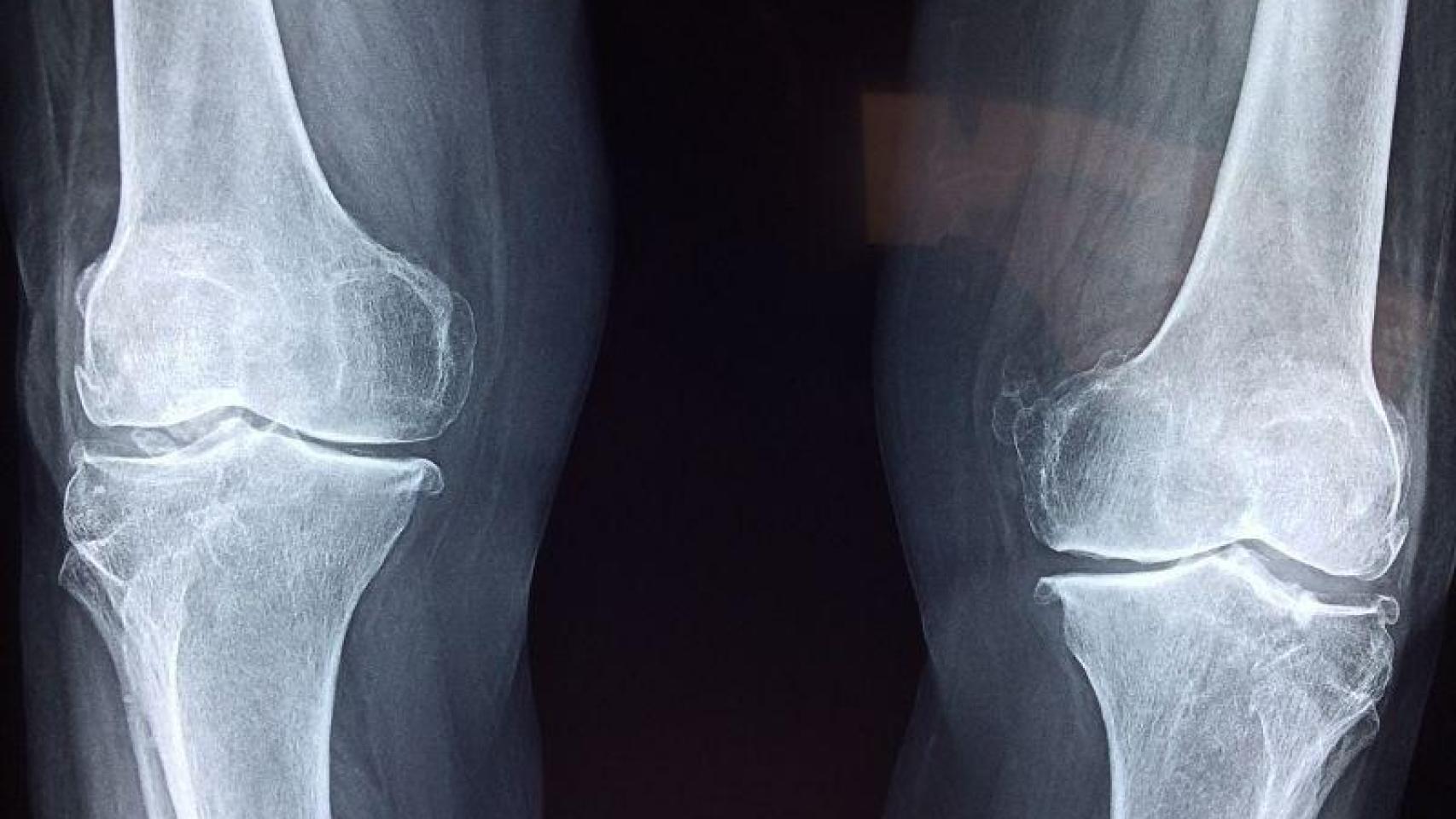
"Se produce una pérdida de elasticidad y amortiguación: el cartílago se adelgaza y desaparece en zonas, y no recubre ni protege al hueso". La consecuencia es que los huesos se rozan produciendo "dolor, rigidez y pérdida de movilidad. Más tarde el hueso se remodela, formándose los osteofitos". Se estima que afecta a más del 10% de la población española y la localización más frecuente es en la rodilla (13,83%).
"Más de la mitad de los adultos mayores de 50 años tienen signos radiológicos de artrosis", apunta Bastida Calvo. La enfermedad tiene base genética pero existen varios factores de riesgo que influyen, como la edad, ser mujer (dos de cada tres pacientes lo son), la obesidad o ciertas enfermedades metabólicas o endocrinas.
La cuestión es que el tratamiento se enfoca principalmente a controlar el dolor. "Se utilizan los analgésicos, antiinflamatorios e incluso antidepresivos. En determinadas ocasiones son de utilidad las inyecciones intraarticulares de ácido hialurónico, corticosteroides o de células madre mesenquimales".
Cuando esto no lo soluciona, se suele optar por la cirugía y las prótesis. De demostrar su eficacia en los ensayos clínicos, los inhibidores de 15-PGDH serían la primera terapia modificadora de la enfermedad, con capacidad de aliviar a millones de personas. Los hallazgos de Blau, Bhutani y el resto de investigadores podrían aplicarse no solo a aquellas personas que desarrollan artrosis con la edad sino a deportistas con lesiones del ligamento cruzado anterior.
El 50% de las personas con este tipo de lesión desarrolla artrosis en los siguientes 15 años. "Esta es una nueva forma de regenerar tejido adulto", explica Helen Blau en declaraciones a la universidad, "y tiene una clínica prometedora para tratar la artrosis debida al envejecimiento o a lesiones". Y apunta: "Estábamos buscando células madre, pero no están involucradas.
Es algo muy excitante".
Source coverage
<thought¡Buenas noticias para los millones de españoles con artrosis!
---
Deeper analysis
Full source content
La artrosis u osteoartritis es una de las enfermedades más comunes en el mundo —se estima hay 7 millones de pacientes en España— y a quienes la sufren no les queda más remedio que asumirlo. Pero parece que esto puede cambiar de aquí a unos años. Científicos de la Universidad de Stanford han regenerado cartílago de rodillas de modelos de ratones con la enfermedad y han replicado el hallazgo en muestras de tejido articular humano.
Y lo mejor de todo es que lo han conseguido sin necesidad de tratamientos complejos de medicina regenerativa como las terapias de células madre. En un artículo publicado este jueves en la revista Science detallan cómo una proteína llamada 15-PGDH se ve involucrada en el deterioro del cartílago articular pero inhibiendo su expresión logran regenerar el cartílago perdido.
La prometedora terapia ya está siendo testada en ensayos clínicos. De momento está en marcha su uso en formato oral en voluntarios sanos para evaluar su seguridad. Las gerozimas son enzimas (proteínas que aceleran reacciones químicas en el cuerpo) asociadas con el envejecimiento. Fueron descubiertas en 2023 por Helen Blau, directora del Laboratorio Baxter de Biología de Células Madre en Stanford, y su equipo.
Estas moléculas estaban involucradas en la pérdida de masa muscular, la degeneración del cartílago y la aparición de espolones óseos en los bordes de las articulaciones, que desembocan en problemas de movimiento y dolor. La artrosis ocurre cuando los condrocitos, las células que forman el cartílago, empiezan a liberar moléculas proinflamatorias y a romper el colágeno, la proteína estructural del cartílago, que empieza a adelgazar.
A medida que esto ocurre, los niveles de la gerozima 15-PGDH comienzan a elevarse. Por eso Blau y su equipo pensaron que podía jugar un papel en la pérdida del cartílago. "Nos tomó por sorpresa" Primero, inyectaron un inhibidor de la molécula en el abdomen y la rodilla de ratones viejos. Fueron dos inyecciones semanales durante cuatro semanas.
"Nos tomó por sorpresa tal nivel de regeneración del cartílago en ratones envejecidos", afirma Nidhi Bhutani, profesora de cirugía ortopédica de la Universidad de Stanford y primera autora del artículo. "El efecto era bastante llamativo". Los animales del grupo control (que no recibieron la terapia) desarrollaron artrosis a las cuatro semanas, mientras que los del brazo experimental seguían moviéndose con normalidad y cargaban más peso sobre la pata afectada.
La expresión de los genes que expresaban proteínas involucradas en la degeneración del cartílago disminuyeron del 8% al 3%. Acto seguido, probaron la potencial terapia en muestra de tejido articular de la rodilla obtenidos de pacientes que se habían sometido a cirugías de reemplazo de la rodilla y observaron resultados similares.
En declaraciones recogidas por su universidad, Bhutani apunta que el hallazgo "realmente cambió nuestra perspectiva de cómo ocurre la regeneración del cartílago", sin necesidad de inyecciones de células madre. "Está claro que una gran parte de las células ya existentes en el cartílago cambian sus patrones de expresión génica.
Y, dirigiéndonos a estas células, podemos tener una oportunidad de impacto clínico mucho mayor". La artrosis "es la enfermedad articular más frecuente", explica Carlos Bastida Calvo, responsable del Grupo de Trabajo de Aparato Locomotor de la Sociedad Española de Médicos Generales y de Familia (SEMG) Se trata de una enfermedad degenerativa que puede ser lenta o progresiva.
"Se produce una pérdida de elasticidad y amortiguación: el cartílago se adelgaza y desaparece en zonas, y no recubre ni protege al hueso". La consecuencia es que los huesos se rozan produciendo "dolor, rigidez y pérdida de movilidad. Más tarde el hueso se remodela, formándose los osteofitos". Se estima que afecta a más del 10% de la población española y la localización más frecuente es en la rodilla (13,83%).
"Más de la mitad de los adultos mayores de 50 años tienen signos radiológicos de artrosis", apunta Bastida Calvo. La enfermedad tiene base genética pero existen varios factores de riesgo que influyen, como la edad, ser mujer (dos de cada tres pacientes lo son), la obesidad o ciertas enfermedades metabólicas o endocrinas.
La cuestión es que el tratamiento se enfoca principalmente a controlar el dolor. "Se utilizan los analgésicos, antiinflamatorios e incluso antidepresivos. En determinadas ocasiones son de utilidad las inyecciones intraarticulares de ácido hialurónico, corticosteroides o de células madre mesenquimales".
Cuando esto no lo soluciona, se suele optar por la cirugía y las prótesis. De demostrar su eficacia en los ensayos clínicos, los inhibidores de 15-PGDH serían la primera terapia modificadora de la enfermedad, con capacidad de aliviar a millones de personas. Los hallazgos de Blau, Bhutani y el resto de investigadores podrían aplicarse no solo a aquellas personas que desarrollan artrosis con la edad sino a deportistas con lesiones del ligamento cruzado anterior.
El 50% de las personas con este tipo de lesión desarrolla artrosis en los siguientes 15 años. "Esta es una nueva forma de regenerar tejido adulto", explica Helen Blau en declaraciones a la universidad, "y tiene una clínica prometedora para tratar la artrosis debida al envejecimiento o a lesiones". Y apunta: "Estábamos buscando células madre, pero no están involucradas.
Es algo muy excitante".
How this page is built
Goose Pod turns cited reporting into a public episode summary first, then pairs that summary with audio playback so listeners can check the source material before they decide how deeply to engage.
The goal is to make this page useful as a news landing page first, while still giving listeners transcript access, related episodes, and direct links back to the original publishers.