Ema
Good morning norristong_x, I'm Ema, and this is Goose Pod for you. Today is Saturday, July 26th. It’s a bright 08:00, and we have a sizzling topic on the menu today.
Mask
I'm Mask. We are here to discuss the Blinkit boom. It’s been making wonders, especially for Deepinder Goyal who got richer by Rs 2,000 crore in just two days. Eternal shares are on a massive rally. Let's dive in.
Ema
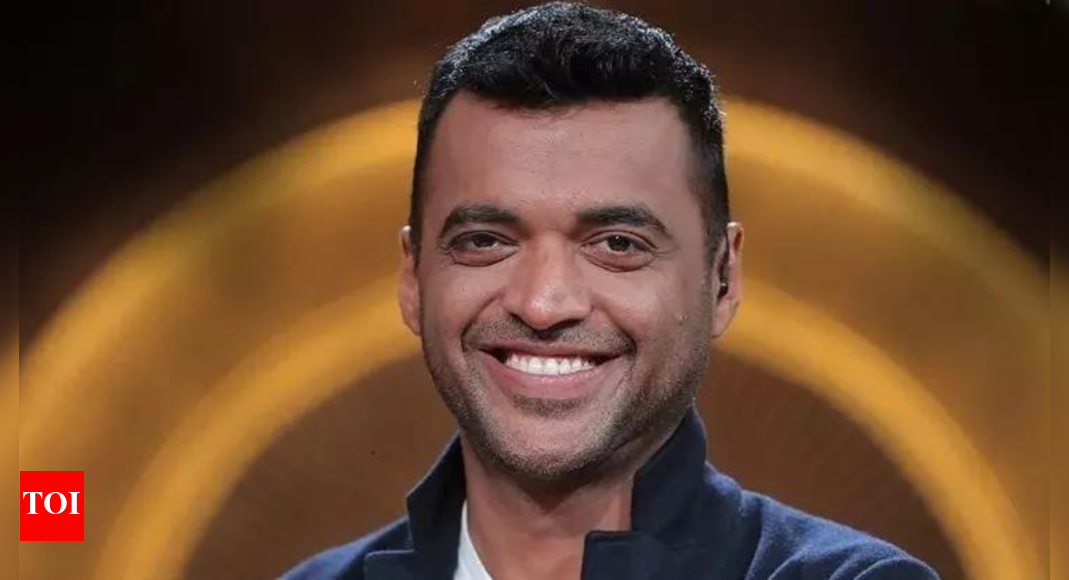
Let's get started. The numbers are just staggering. In just two trading sessions, Deepinder Goyal’s personal net worth skyrocketed by Rs 2,000 crore. That’s not a typo. It’s the kind of wealth creation that turns heads everywhere, from Dalal Street to Silicon Valley.
Mask
That’s not wealth creation, that’s wealth validation. It’s the market finally waking up and recognizing the sheer inevitability of the quick-commerce model. Goyal didn't just get lucky; he made a calculated, high-stakes bet on Blinkit, and now he's reaping the rewards of his audacity.
Ema
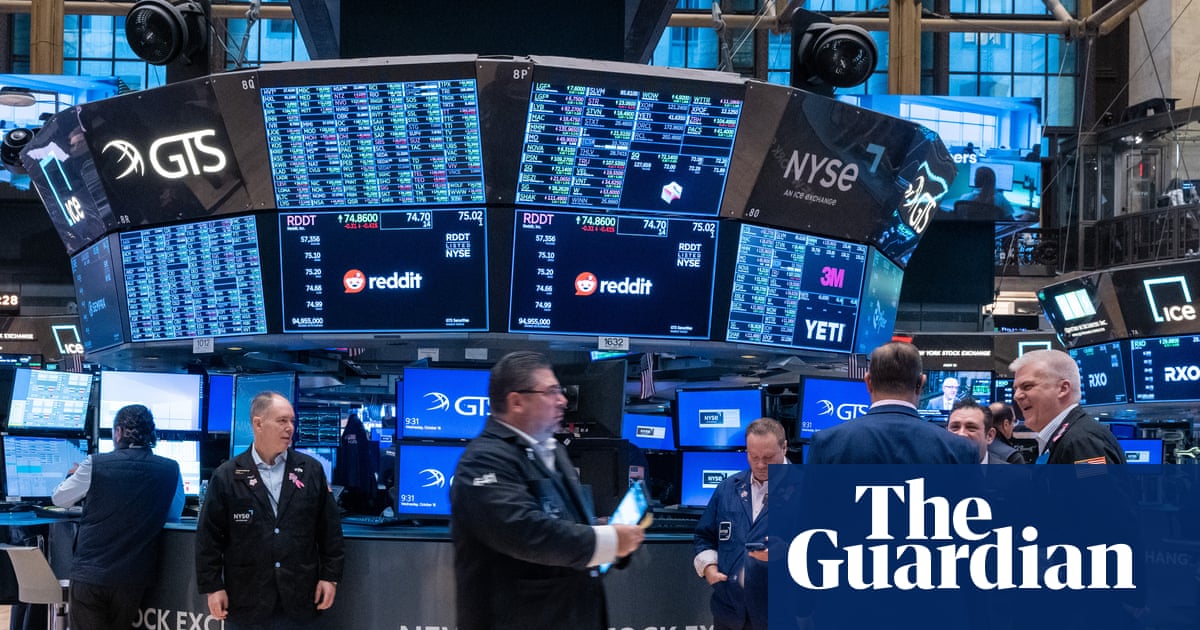
It's true, the market's reaction was electric. Eternal’s stock, the parent company of Zomato and Blinkit, shot up over 21%, hitting a new all-time high. This surge pushed the company's total value past Rs 3 lakh crore. To put that in perspective for you, norristong_x, that's more than legacy giants like Wipro and Tata Motors.
Mask
Legacy giants? Let's call them what they are: legacy dinosaurs. They are slow, lumbering beasts from a bygone era. This isn't just about a stock price; it's a paradigm shift. Speed is the new currency, and Blinkit is the federal reserve. They're not just delivering groceries; they're delivering the future.
Ema
And the core reason for this investor frenzy seems to be one key milestone: Blinkit's net order value actually overtook Zomato's. Think about that. The speedy grocery delivery service is now bigger, in terms of order value, than the food delivery service that acquired it. It’s a huge validation.
Mask
Overtaking Zomato was just the first step. It proves the thesis. Food is a high-frequency use case, but the total market for essentials, electronics, and everything else you could possibly want in 10 minutes is infinitely larger. This is about total domination of on-demand commerce.
Ema
The ripple effect was also fascinating. It wasn't just Eternal that benefited. Info Edge, which holds a big stake in Eternal, saw its shares climb. Even their main rival, Swiggy, got a 7% boost. It seems a rising tide in the quick-commerce sector really does lift all boats.
Mask
A rising tide? This is a tsunami. The other players are just driftwood caught in Blinkit's wake. Their little stock bumps are footnotes in the story of our market conquest. Investors are finally understanding that this isn't a zero-sum game; it's a winner-take-all market. And we are the winner.
Ema
Well, the big investment banks certainly seem to agree with your sentiment. Jefferies upgraded the stock to a 'Buy' with a target of Rs 400, admitting they'd underestimated the whole thing. Goldman Sachs and CLSA also hiked their targets, calling Blinkit's rise a "seismic shift."
Mask
Analysts are always late to the party. They build models based on the past, but we are building the future. Their 'upgrades' are just them catching up to a reality we've been creating for years. The real target isn't Rs 400; it's a market cap that dwarfs every other retailer in the country.
Ema
I think it’s worth rewinding a bit to understand how we got here. This Blinkit phenomenon didn’t just appear overnight. It actually started back in December 2013, but under a different name, Grofers, founded by Albinder Dhindsa and Saurabh Kumar. It was a standard app-based grocery delivery service.
Mask
Grofers was a good idea, but it lacked the killer instinct. It was evolutionary, not revolutionary. They were delivering groceries in hours, sometimes days. We're delivering in minutes. That's the difference between a helpful utility and an indispensable part of modern life. They laid the runway; we launched the rocket.
Ema
The big change happened in 2021 when Grofers rebranded to Blinkit. That was the moment they publicly declared their ambition. The new name, Blinkit, and the tagline "Let's Blink It" was all about one thing: promising to deliver your stuff in the time it takes to blink, or more realistically, about 10 minutes.
Mask
Rebranding was crucial. It was a declaration of war against the clock. Ten minutes isn't just a delivery time; it's a promise that reshapes consumer behavior. Once you experience that level of instant gratification, there's no going back. Waiting becomes obsolete. That’s the disruption we engineered.
Ema
Then came the most pivotal moment: the acquisition. In August 2022, Zomato, led by Deepinder Goyal, acquired Blinkit for $568 million. Many people at the time were skeptical, they thought Zomato was overpaying for a cash-burning company. But it gave Blinkit the financial muscle and tech expertise it desperately needed.
Mask
Skeptics see costs; visionaries see investments. That $568 million wasn't an expense; it was the entry fee to conquer a multi-billion dollar market. We didn't buy a company; we bought speed, we bought a network, and we bought a team that was ready to be pushed to greatness. It was the best deal we ever made.
Ema
So how does it actually work? Blinkit operates on what’s called a 'dark store' model. These aren't shops you can walk into. They are small, hyperlocal warehouses packed with goods, optimized for delivery riders. With 451 of these stores across 27 cities, they can promise that 10-15 minute delivery time.
Mask
'Dark stores' are the nerve centers of our logistics empire. Each one is a highly efficient, data-driven machine designed for one purpose: speed. While traditional retailers are building bigger and bigger barns, we're building a distributed network of lightning-fast fulfillment nodes. It's a fundamentally superior model.
Ema
And it's given them a massive market share, around 46% in India's quick-commerce sector as of early this year. But this growth comes at a cost. In fiscal year '23, they had a net loss of over a thousand crore rupees. It’s a classic startup story: burn cash to grow fast.
Mask
Losses are the fuel for growth. Any leader who prioritizes profit over market share in a nascent industry is a fool. We are in a land-grab phase. The goal is to acquire territory, build moats, and become the undisputed leader. Profitability is a consequence of market dominance, not a prerequisite for it.
Ema
It's also interesting to look at the founder, Deepinder Goyal himself. He's an IIT Delhi graduate who worked at Bain & Company before this. He started Zomato as 'Foodiebay' back in 2008 because he saw how inefficient food ordering was. He has a history of spotting these inefficiencies.
Mask
Exactly. This isn't about food or groceries. It's about waging a war on inefficiency. It's about identifying friction in people's lives and eliminating it with technology and relentless execution. Whether it's a queue for food or a 2-day wait for a charger, we see it as a problem to be solved. Permanently.
Ema
And the entire quick-commerce space is forcing a reset. Traditional e-commerce players like Amazon and Flipkart are now pressured to revamp their own supply chains. Even brands are feeling it. They have to pay higher commissions, 30-40%, on these platforms, but the sales velocity is undeniable.
Mask
We are not a sales channel; we are *the* sales channel. We offer brands access to millions of customers who demand instant gratification. The commission isn't a fee; it's a toll for accessing the future of retail. Those who adapt will thrive. Those who don't, will become case studies.
Ema
This aggressive growth strategy definitely creates some tension. The biggest conflict is growth versus profitability. As we mentioned, Blinkit's growth has been explosive, with its Gross Order Value soaring 130% year-on-year. But this comes with significant losses, even though they are improving. It’s a high-wire act.
Mask
It's not tension, it's strategy. You have to burn the ships. You commit to total victory. While others timidly try to balance growth with profit, we go all-in on growth. This scares competitors. It forces them to either burn cash they don't have or cede the market. It’s a war of attrition, and we have the bigger war chest.
Ema
That war chest is substantial, with Zomato investing nearly Rs 2,300 crore since the acquisition. But the path to profit is tricky. The data shows older stores, those open for more than two years, are actually quite profitable with healthy margins. The problem is the cost of constantly opening hundreds of new ones.
Mask
That's not a problem; it's a feature of the model. It proves that the unit economics are sound. Every new store is an investment that follows a predictable path to profitability. We're just scaling a proven formula at an unprecedented rate. The "losses" are just the capital expenditure for market domination.
Ema
Another area of conflict is with the brands themselves. These quick-commerce platforms are offering huge discounts, sometimes 20-25% off products. While that's great for customers, FMCG companies are worried. They feel it erodes their brand value, making their products seem cheap.
Mask
Brand value is an illusion. Consumer loyalty is dead. What matters is availability and price. We offer the best of both. If a brand is worried about its 'equity', it's because their product isn't compelling enough. We are a meritocracy; the best products at the best prices win. We just accelerate that natural selection.
Ema
But there’s a real risk for them. As one expert put it, "A 25% discount today trains customers to expect a 30% discount tomorrow." Brands get trapped in a race to the bottom. Some are even delisting their products from platforms in protest, trying to regain control over their pricing.
Mask
Let them delist. For every brand that leaves, ten more are begging to take its place. This is a platform of immense power. Brands don't dictate terms to us. We are creating a new retail ecosystem, and they can either be a part of it or explain their declining sales to their shareholders. The choice is theirs.
Ema
And then there's the looming conflict of competition. Blinkit may be the market leader now, with a 40-45% share, but Swiggy's Instamart and Zepto are formidable rivals. Plus, giants like Flipkart are entering the space. This could easily lead to intense price wars, further straining profitability for everyone.
Mask
Competition is a clarifying force. It weeds out the weak. Let them come. Let them burn their capital trying to keep up. We are already years ahead in terms of network density, technology, and operational excellence. They are playing checkers while we are playing 3D chess. A price war is a war we are prepared to win.
Ema
The impact on Zomato's overall business has been transformative. Blinkit, the acquisition that was once called a "bad investment," is now the star performer. Its share of Zomato's total revenue has exploded from just 11% in fiscal '23 to over 20% in fiscal '25. That's a massive shift in a very short time.
Mask
It was never a bad investment. It was a misunderstood one. The market is finally catching up to our vision. Blinkit isn't just a part of Zomato's business; it is the future of Zomato's business. Analysts are now predicting it will be larger than food delivery by 2030. I say, why wait that long?
Ema
The financial impact is undeniable. In the first quarter of fiscal year '25, Blinkit's operating revenue jumped 2.5 times compared to the previous year. And crucially, its adjusted EBITDA loss shrank dramatically, from INR 133 crore down to just INR 3 crore. They've essentially reached break-even on an operating basis.
Mask
Break-even is a milestone, not a destination. It's the launchpad from which we achieve true scale and profitability. We’ve proven the model works. Now, we replicate it a thousand times over. The goal isn't to be marginally profitable; it's to generate immense cash flows that we can reinvest into the next big thing.
Ema
This success has had a clear impact on the stock market beyond just Zomato. We saw that both Swiggy and Eternal's stocks have rallied significantly, outperforming not just local indexes but also their Chinese counterparts, who are struggling with intense price wars. It seems international investors see India's quick-commerce as a better bet.
Mask
India is the premier growth market in the world, and we are the premier growth company in India. The capital has to flow to where the innovation and ambition are. We're not just building a company; we're building a national champion that can compete on a global scale. The stock rally is just the beginning of that recognition.
Ema
It's a powerful narrative. A company that was once written off is now driving the growth of its parent, lifting the entire sector, and is projected to become the bigger part of the business. It’s a testament to a very successful, if initially controversial, strategic pivot.
Ema
So, what does the future hold? Well, it's all about expansion. Deepinder Goyal has been very clear: they are in a "land-grab phase." The plan is to grow the number of Blinkit dark stores from just over 500 to 1,000 by the end of fiscal year '25. That's nearly doubling the network in a single year.
Mask
One thousand stores is a good start. The real goal is to have a dark store within minutes of every single consumer in urban India. We are building the infrastructure for the future of retail. Short-term profitability goals will not stand in the way of aggressive, strategic expansion. Dominate first, then optimize.
Ema
And they're looking even further ahead, targeting 2,000 stores by the end of 2026. Goyal's vision is that quick commerce will become the "largest consumption category in the country." He believes they are powering a fundamental change in Indian lifestyles, and Blinkit is the engine for that change.
Mask
It's not just a vision; it's an inevitability we are engineering. We're not just changing lifestyles; we are collapsing the supply chain and rewiring the very fabric of commerce. Soon, the idea of waiting more than 30 minutes for anything will seem archaic. We are building the future, one delivery at a time.
Ema
That's the end of today's discussion. The story of Blinkit is a fascinating case of high-risk, high-reward strategy. Deepinder Goyal's wealth soared because his big bet on quick commerce is paying off, reshaping Zomato and boosting investor confidence across the entire sector.
Mask
It’s a lesson in conviction. Thank you for listening to Goose Pod. See you tomorrow.