
What happened
Publisher: Fox News
Author: Sean Duffy (writing in his capacity as acting NASA administrator and 20th U.S. Secretary of Transportation)
Publication Date: September 11, 2025
NEWYou can now listen to Fox News articles! Since its founding in 1958, NASA has stood as a symbol of American ingenuity and ambition. Coming of age in Cold War urgency, the agency made history by achieving what many believed was impossible: landing Americans on the Moon. That defining moment — an American boot print on lunar soil and the iconic words, "one giant leap for mankind" — marked the height of U.
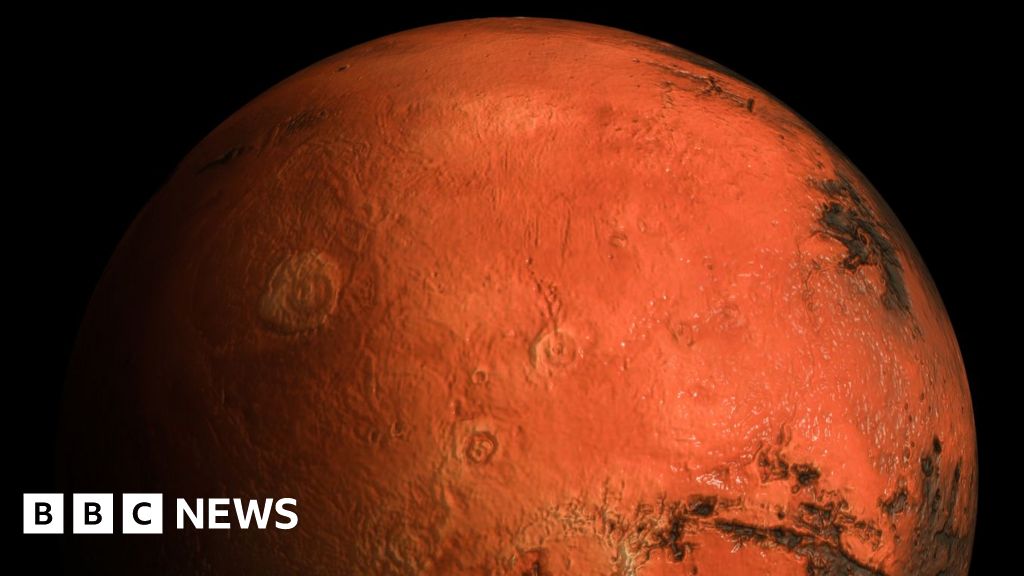
S. leadership in space.Yet today, NASA finds itself adrift. While NASA has several modern achievements, such as establishing the longest sustained human presence in low Earth orbit and sending multiple rovers and landers to Mars, deep space human exploration has been stagnant for decades. No American astronaut has ventured beyond low Earth orbit since 1972.
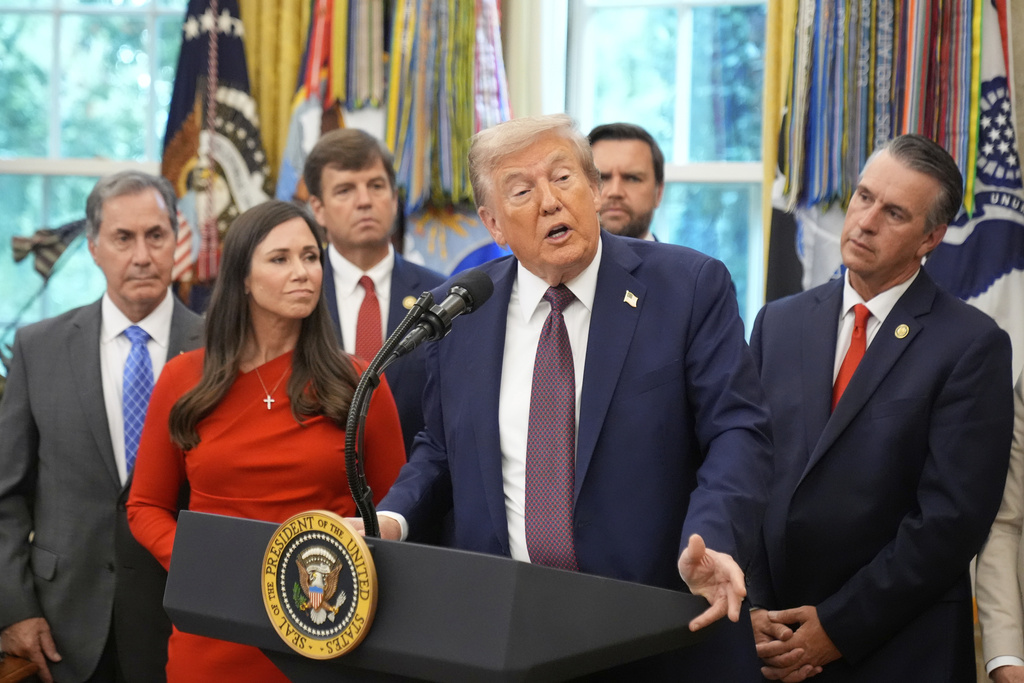
The agency is weighed down by expensive, delayed programs, bureaucratic overhead and growing emphasis on agendas unrelated to exploration. In other words, NASA still inspires, but more often with past glories than present momentum.NASA SAYS AMERICA WILL WIN ‘THE SECOND SPACE RACE’ AGAINST CHINAPresident Donald Trump’s vision for America’s space program aims to change that.
It increases investment in human space exploration by roughly $1 billion and safeguards Artemis, NASA’s flagship program to finally return astronauts to the Moon and establish a long-term human presence as a stepping stone to Mars. By cutting waste and sharpening NASA’s focus, the budget ensures taxpayers’ money drives real exploration rather than endless delays and waste.
Unfortunately, some in Washington have chosen to distort the truth of what these changes actually do.Further, two bold directives, resulting from the budget, make America’s intentions clear.First directive: Fission Surface Power for the Moon. Past lunar missions were limited by power constraints; no crewed mission has lasted more than three days.
This directive calls for incorporating small modular nuclear reactors to provide reliable, continuous energy for future lunar bases. This technology has been studied and designed through multiple administrations. Today, we're finally taking it out of the lab and into the field.Second directive: Accelerating Commercial Space Stations in Low Earth Orbit.
The International Space Station is set for deorbit in 2030 and, without a transition plan, NASA risks losing continuous U.S. presence in orbit. America must never surrender low Earth orbit. To that end, this budget accelerates development of commercial space stations, partnering with industry to ensure no gap between the International Space Station’s end and the rise of new orbital platforms.
Together, these directives provide the clarity and urgency NASA needs to secure its position as the unrivaled world leader in space exploration. These moves reinforce NASA’s exploration goals and maintain U.S. presence both in deep space and in low Earth orbit, thereby ensuring America never retreats from space.
The stakes could not be higher. For the first time since the Cold War, the U.S. faces a formidable rival in space. China is advancing plans for a lunar base. If the U.S. hesitates, Beijing could seize what many call the "ultimate high ground" with far-reaching implications for security and global leadership.
America can’t afford to let that happen.The president’s vision and resulting directives are a course correction. It focuses the agency on exploration, trims mission bloat and capitalizes on the growing commercial space sector to deliver results quicker and more affordably. In other words, taxpayers get real results for their money instead of paying endlessly for projects that drag on and cost far more than promised.
Critics may argue that refocusing NASA threatens long-term innovation and science leadership, but it's vital not to conflate a reprioritization away from mission creep with the neglect of exploration.CLICK HERE FOR MORE FOX NEWS OPINIONNASA must be leaner, smarter and more mission-focused. Bloated bureaucracy, inefficiencies in contract procurement and a culture of overcaution have consistently grounded NASA missions.
Projects like the Space Launch System and Mars Sample Return have consumed massive resources with repeated delays.The time for studies, re-studies and bureaucratic red tape has passed. If we want to beat China to the Moon, we must move beyond bureaucratic box-checking. America no longer has the luxury of wasting time.
If the technology is ready, launch it. If the innovation works, trust it.CLICK HERE TO GET THE FOX NEWS APPCalls to sustain all programs are well-intentioned, but the result, if enacted, would be further fragmentation of resources and slower progress toward milestones. What’s needed now is decisive alignment: we return to the Moon to stay, build sustainable power, transition to commercial space stations and race toward Mars.
Fiscal discipline strengthens — not diminishes — our priorities. Last November, the American people gave Trump a mandate and his vision delivers on it with clarity. The question is no longer if we will return to the Moon or reach Mars — it’s when. With this course, that answer comes sooner than ever before.
The author is writing in his capacity as acting NASA administrator Sean Duffy is the 20th U.S. Secretary of Transportation.
Source coverage
Publisher: Fox News
Author: Sean Duffy (writing in his capacity as acting NASA administrator and 20th U.S. Secretary of Transportation)
Deeper analysis
Full source content
NEWYou can now listen to Fox News articles! Since its founding in 1958, NASA has stood as a symbol of American ingenuity and ambition. Coming of age in Cold War urgency, the agency made history by achieving what many believed was impossible: landing Americans on the Moon. That defining moment — an American boot print on lunar soil and the iconic words, "one giant leap for mankind" — marked the height of U.
S. leadership in space.Yet today, NASA finds itself adrift. While NASA has several modern achievements, such as establishing the longest sustained human presence in low Earth orbit and sending multiple rovers and landers to Mars, deep space human exploration has been stagnant for decades. No American astronaut has ventured beyond low Earth orbit since 1972.
The agency is weighed down by expensive, delayed programs, bureaucratic overhead and growing emphasis on agendas unrelated to exploration. In other words, NASA still inspires, but more often with past glories than present momentum.NASA SAYS AMERICA WILL WIN ‘THE SECOND SPACE RACE’ AGAINST CHINAPresident Donald Trump’s vision for America’s space program aims to change that.
It increases investment in human space exploration by roughly $1 billion and safeguards Artemis, NASA’s flagship program to finally return astronauts to the Moon and establish a long-term human presence as a stepping stone to Mars. By cutting waste and sharpening NASA’s focus, the budget ensures taxpayers’ money drives real exploration rather than endless delays and waste.
Unfortunately, some in Washington have chosen to distort the truth of what these changes actually do.Further, two bold directives, resulting from the budget, make America’s intentions clear.First directive: Fission Surface Power for the Moon. Past lunar missions were limited by power constraints; no crewed mission has lasted more than three days.
This directive calls for incorporating small modular nuclear reactors to provide reliable, continuous energy for future lunar bases. This technology has been studied and designed through multiple administrations. Today, we're finally taking it out of the lab and into the field.Second directive: Accelerating Commercial Space Stations in Low Earth Orbit.
The International Space Station is set for deorbit in 2030 and, without a transition plan, NASA risks losing continuous U.S. presence in orbit. America must never surrender low Earth orbit. To that end, this budget accelerates development of commercial space stations, partnering with industry to ensure no gap between the International Space Station’s end and the rise of new orbital platforms.
Together, these directives provide the clarity and urgency NASA needs to secure its position as the unrivaled world leader in space exploration. These moves reinforce NASA’s exploration goals and maintain U.S. presence both in deep space and in low Earth orbit, thereby ensuring America never retreats from space.
The stakes could not be higher. For the first time since the Cold War, the U.S. faces a formidable rival in space. China is advancing plans for a lunar base. If the U.S. hesitates, Beijing could seize what many call the "ultimate high ground" with far-reaching implications for security and global leadership.
America can’t afford to let that happen.The president’s vision and resulting directives are a course correction. It focuses the agency on exploration, trims mission bloat and capitalizes on the growing commercial space sector to deliver results quicker and more affordably. In other words, taxpayers get real results for their money instead of paying endlessly for projects that drag on and cost far more than promised.
Critics may argue that refocusing NASA threatens long-term innovation and science leadership, but it's vital not to conflate a reprioritization away from mission creep with the neglect of exploration.CLICK HERE FOR MORE FOX NEWS OPINIONNASA must be leaner, smarter and more mission-focused. Bloated bureaucracy, inefficiencies in contract procurement and a culture of overcaution have consistently grounded NASA missions.
Projects like the Space Launch System and Mars Sample Return have consumed massive resources with repeated delays.The time for studies, re-studies and bureaucratic red tape has passed. If we want to beat China to the Moon, we must move beyond bureaucratic box-checking. America no longer has the luxury of wasting time.
If the technology is ready, launch it. If the innovation works, trust it.CLICK HERE TO GET THE FOX NEWS APPCalls to sustain all programs are well-intentioned, but the result, if enacted, would be further fragmentation of resources and slower progress toward milestones. What’s needed now is decisive alignment: we return to the Moon to stay, build sustainable power, transition to commercial space stations and race toward Mars.
Fiscal discipline strengthens — not diminishes — our priorities. Last November, the American people gave Trump a mandate and his vision delivers on it with clarity. The question is no longer if we will return to the Moon or reach Mars — it’s when. With this course, that answer comes sooner than ever before.
The author is writing in his capacity as acting NASA administrator Sean Duffy is the 20th U.S. Secretary of Transportation.
How this page is built
Goose Pod turns cited reporting into a public episode summary first, then pairs that summary with audio playback so listeners can check the source material before they decide how deeply to engage.
The goal is to make this page useful as a news landing page first, while still giving listeners transcript access, related episodes, and direct links back to the original publishers.