What happened
Report Provider: The Irish Times
Author: Ciara O'Brien
Published At: 2025-09-17 14:02:31
Irish cofounded robotics company Icarus has raised $6.1 million (€5.1 million) in a seed funding round as it works towards developing a general-purpose robotic labour force for space. The company, which was founded by Irishman Jamie Palmer and Ethan Barajas, is being backed by Soma Capital and Xtal, with Nebular and Massive Tech Ventures also backing the round.
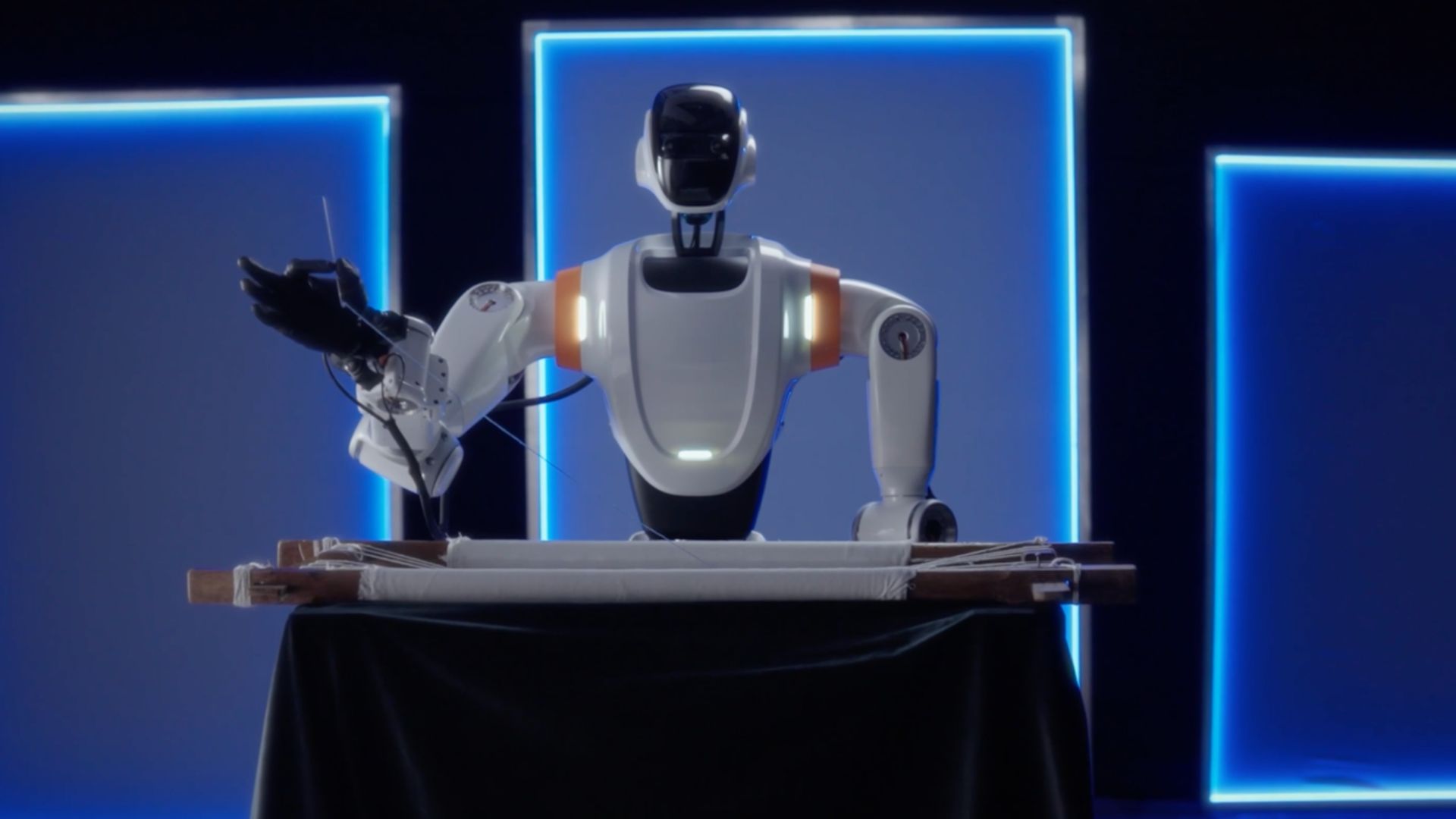
New York-headquartered Icarus is developing robots with built-in intelligence that can physically interact with their environment to carry out routine work in space, from tasks performed inside a spacecraft to eventually carrying out large-scale orbital construction, such as maintaining satellites or infrastructure in space.
The first generation of robots are remotely operated by humans, but are targeting embodied AI – machines that learn through real-world interaction with human demonstrations to carry out complex tasks autonomously. READ MORE“Every major robotics company on Earth is using embodied AI to create adaptable, learning robots, but space is still using control methods from the 1980s,” said Mr Palmer, who is the company’s chief technology officer.
“We’re not just putting robots in space, we’re bringing the robotics revolution to space operations through systems that learn from human expertise.”Although the space industry is expected to grow significantly, labour may be the bottleneck that weighs on the sector. According to Icarus, fewer than 100 astronauts are active globally at any time, while existing space robotics relies on rigid systems that must be redesigned for every new use case.
“We’re asking hundred-thousand-dollar-an-hour talent to do warehouse work in space – and millions more to transport them there, all paid for by taxpayers,” said Mr Barajas, the company’s chief executive. “Our robots start by learning from human demonstrations, then handle the repetitive work while astronauts focus on discoveries only humans can make.
” The company has already created multiple prototypes and has partnerships with NASA and major commercial space station developers.“We’re excited to back the Icarus team as they solve one of the most critical bottlenecks in the space economy,” said Aneel Ranadive, managing partner of Soma Capital. “As commercial space manufacturing moves to orbit, Icarus is positioned to capture significant value by freeing astronauts from routine tasks for high-leverage research and exploration.
”
Source coverage
Report Provider: The Irish Times
Author: Ciara O'Brien
Deeper analysis
Full source content
Irish cofounded robotics company Icarus has raised $6.1 million (€5.1 million) in a seed funding round as it works towards developing a general-purpose robotic labour force for space. The company, which was founded by Irishman Jamie Palmer and Ethan Barajas, is being backed by Soma Capital and Xtal, with Nebular and Massive Tech Ventures also backing the round.
New York-headquartered Icarus is developing robots with built-in intelligence that can physically interact with their environment to carry out routine work in space, from tasks performed inside a spacecraft to eventually carrying out large-scale orbital construction, such as maintaining satellites or infrastructure in space.
The first generation of robots are remotely operated by humans, but are targeting embodied AI – machines that learn through real-world interaction with human demonstrations to carry out complex tasks autonomously. READ MORE“Every major robotics company on Earth is using embodied AI to create adaptable, learning robots, but space is still using control methods from the 1980s,” said Mr Palmer, who is the company’s chief technology officer.
“We’re not just putting robots in space, we’re bringing the robotics revolution to space operations through systems that learn from human expertise.”Although the space industry is expected to grow significantly, labour may be the bottleneck that weighs on the sector. According to Icarus, fewer than 100 astronauts are active globally at any time, while existing space robotics relies on rigid systems that must be redesigned for every new use case.
“We’re asking hundred-thousand-dollar-an-hour talent to do warehouse work in space – and millions more to transport them there, all paid for by taxpayers,” said Mr Barajas, the company’s chief executive. “Our robots start by learning from human demonstrations, then handle the repetitive work while astronauts focus on discoveries only humans can make.
” The company has already created multiple prototypes and has partnerships with NASA and major commercial space station developers.“We’re excited to back the Icarus team as they solve one of the most critical bottlenecks in the space economy,” said Aneel Ranadive, managing partner of Soma Capital. “As commercial space manufacturing moves to orbit, Icarus is positioned to capture significant value by freeing astronauts from routine tasks for high-leverage research and exploration.
”
How this page is built
Goose Pod turns cited reporting into a public episode summary first, then pairs that summary with audio playback so listeners can check the source material before they decide how deeply to engage.
The goal is to make this page useful as a news landing page first, while still giving listeners transcript access, related episodes, and direct links back to the original publishers.