What happened
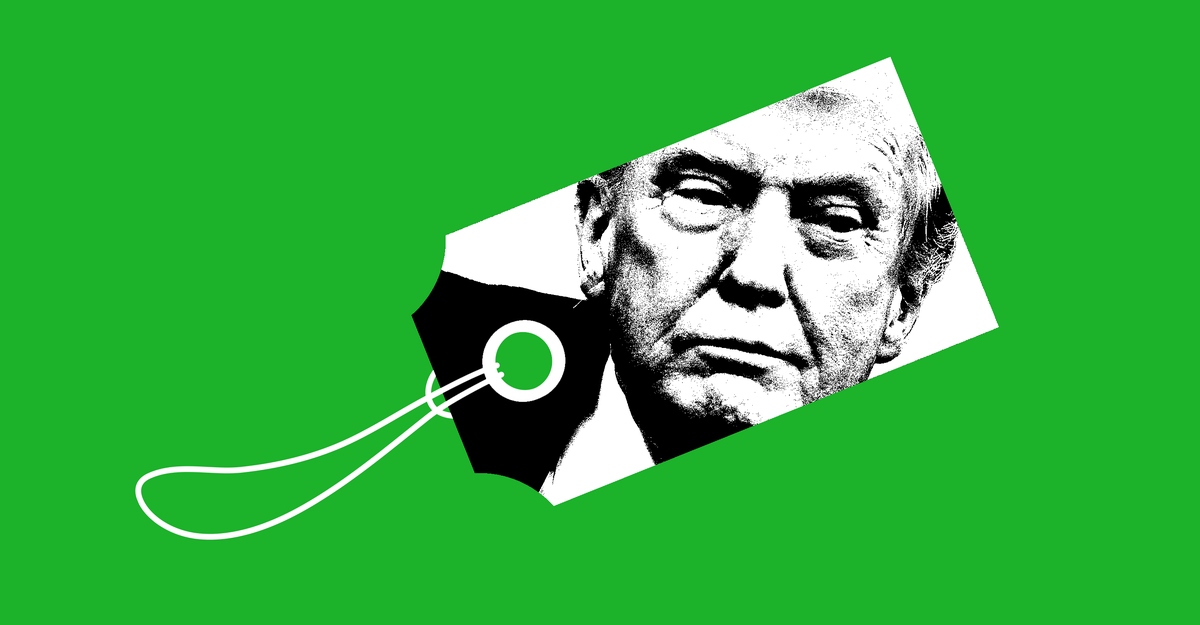
This article from The Economist, published on August 1st, 2025 (updated 9 hours prior to the report's creation on August 8th, 2025), discusses the evolving nature of America's trade policy under Donald Trump, characterizing it as a shift towards "imperial preference" rather than a rules-based system.
Key Findings and Conclusions:
Key Statistics and Metrics:
Leaders | The new imperial preference He thinks America is winning. It is not Aug 1st 2025 (updated 9h ago)|4 min readWith every passing day, America’s new trading order comes into sharper relief. In place of rules, stability and low tariffs is a system of imperial preference. Duties are not just higher, they are set by presidential whim.
Canada and India have irritated Donald Trump, and so they could face tariffs of 35-50%. To ward off threats the eu, Japan and South Korea have all hurriedly made deals with America. Because Mr Trump regards deficits, bizarrely, as theft, he has imposed “reciprocal” tariffs ranging from 10% to 41% on tens of other trading partners, which went into effect on August 7th.
Explore moreLeadersOpinionGlobalisationUnited StatesThis article appeared in the Leaders section of the print edition under the headline “The new imperial preference ”→Why Israel must hold itself to account→Donald Trump’s awful trade policy will outlast him→Buy now, pay later gets a bad rap. But it could be useful →McKinsey and its peers need a strategic rethink →Will an astronomical anomaly challenge the idea of scientific revolutions?
From the August 9th 2025 editionDiscover stories from this section and more in the list of contents⇒Explore the edition
Source coverage
This article from The Economist, published on August 1st, 2025 (updated 9 hours prior to the report's creation on August 8th, 2025), discusses the evolving nature of America's trade policy under Donald Trump, characterizing it as a shift towards "imperial preference" rather than a rules-based system.
Key Findings and Conclusions:
Deeper analysis
Full source content
Leaders | The new imperial preference He thinks America is winning. It is not Aug 1st 2025 (updated 9h ago)|4 min readWith every passing day, America’s new trading order comes into sharper relief. In place of rules, stability and low tariffs is a system of imperial preference. Duties are not just higher, they are set by presidential whim.
Canada and India have irritated Donald Trump, and so they could face tariffs of 35-50%. To ward off threats the eu, Japan and South Korea have all hurriedly made deals with America. Because Mr Trump regards deficits, bizarrely, as theft, he has imposed “reciprocal” tariffs ranging from 10% to 41% on tens of other trading partners, which went into effect on August 7th.
Explore moreLeadersOpinionGlobalisationUnited StatesThis article appeared in the Leaders section of the print edition under the headline “The new imperial preference ”→Why Israel must hold itself to account→Donald Trump’s awful trade policy will outlast him→Buy now, pay later gets a bad rap. But it could be useful →McKinsey and its peers need a strategic rethink →Will an astronomical anomaly challenge the idea of scientific revolutions?
From the August 9th 2025 editionDiscover stories from this section and more in the list of contents⇒Explore the edition
How this page is built
Goose Pod turns cited reporting into a public episode summary first, then pairs that summary with audio playback so listeners can check the source material before they decide how deeply to engage.
The goal is to make this page useful as a news landing page first, while still giving listeners transcript access, related episodes, and direct links back to the original publishers.