
What happened
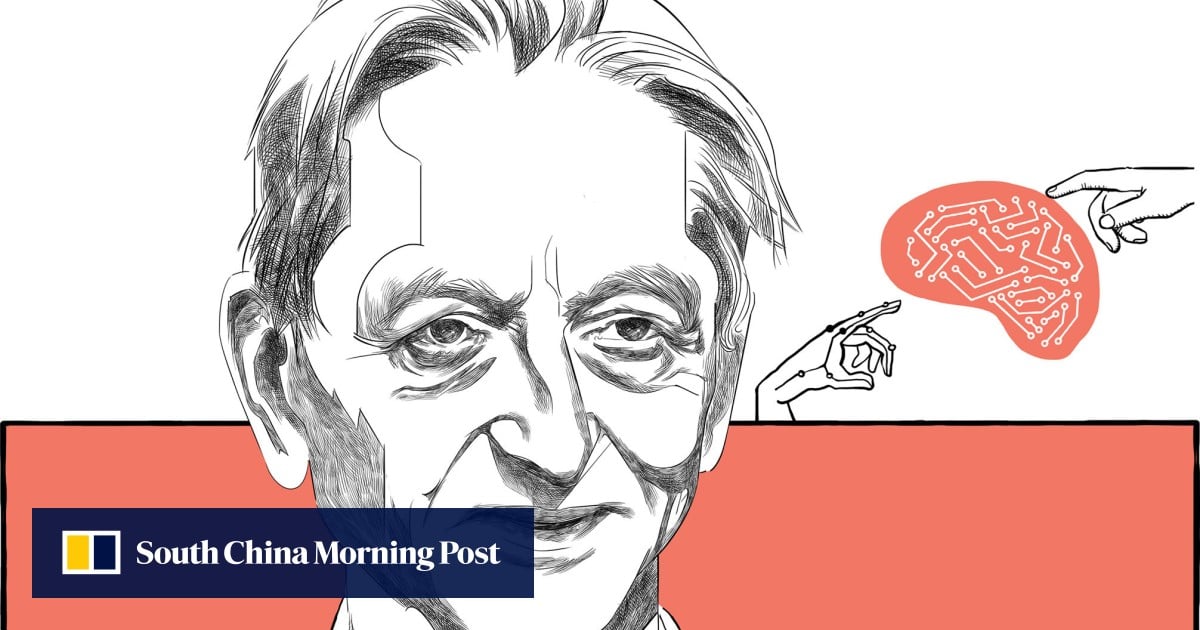
This report from the South China Morning Post, authored by Josephine Ma, features an exclusive interview with Geoffrey Hinton, widely recognized as the "godfather of AI." The interview, published on September 1, 2025, delves into Hinton's perspectives on the risks of artificial intelligence and his recent trip to...
Key Information and Findings:
News Metadata:
Geoffrey Hinton is a British-Canadian computer scientist often called the “godfather of AI” because of his revolutionary neural network models inspired by the structure of the human brain. His research brought about a paradigm shift that enabled today’s machine learning technology. He won the 2024 Nobel Prize in Physics with John J.
Hopfield of Princeton University.Hinton holds the title of university professor emeritus at the University of Toronto.A company he co-founded with two graduate students was acquired by Google in 2013. He joined Google Brain, the company’s AI research team, the same year and was eventually named a vice-president.
Hinton left Google in 2023 because he wanted to speak freely about the risks of AI.In June, he travelled to China and spoke at the World Artificial Intelligence Conference in Shanghai.This interview first appeared in SCMP Plus. For other interviews in the Open Questions series, click here.Was the trip to Shanghai your first visit to China?
What are your takeaways from the trip?It was my first trip to China. I’ve had a very bad back, so it’s been very hard to travel for a long time, but now it’s improved. That’s why I didn’t come to China sooner.
Source coverage
This report from the South China Morning Post, authored by Josephine Ma, features an exclusive interview with Geoffrey Hinton, widely recognized as the "godfather of AI." The interview, published on September 1, 2025, delves into Hinton's perspectives on the risks of artificial intelligence and his recent trip to...
Key Information and Findings:
Deeper analysis
Full source content
Geoffrey Hinton is a British-Canadian computer scientist often called the “godfather of AI” because of his revolutionary neural network models inspired by the structure of the human brain. His research brought about a paradigm shift that enabled today’s machine learning technology. He won the 2024 Nobel Prize in Physics with John J.
Hopfield of Princeton University.Hinton holds the title of university professor emeritus at the University of Toronto.A company he co-founded with two graduate students was acquired by Google in 2013. He joined Google Brain, the company’s AI research team, the same year and was eventually named a vice-president.
Hinton left Google in 2023 because he wanted to speak freely about the risks of AI.In June, he travelled to China and spoke at the World Artificial Intelligence Conference in Shanghai.This interview first appeared in SCMP Plus. For other interviews in the Open Questions series, click here.Was the trip to Shanghai your first visit to China?
What are your takeaways from the trip?It was my first trip to China. I’ve had a very bad back, so it’s been very hard to travel for a long time, but now it’s improved. That’s why I didn’t come to China sooner.
How this page is built
Goose Pod turns cited reporting into a public episode summary first, then pairs that summary with audio playback so listeners can check the source material before they decide how deeply to engage.
The goal is to make this page useful as a news landing page first, while still giving listeners transcript access, related episodes, and direct links back to the original publishers.