What happened
西部水泥正通过收购南非巨头 AfriSam 扩张非洲市场。此举是中国企业应对国内市场调整,输出先进产能和管理经验的战略举措。此举旨在重塑非洲水泥版图,有望降低成本、提升效率,为当地基建注入强心剂,并考验中国企业在当地的文化融合与信任建立能力。
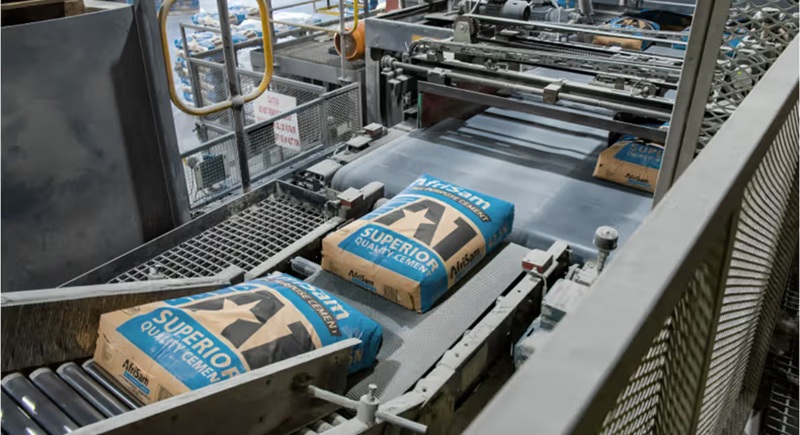
Chinese cement producer West China Cement has moved to acquire South Africa’s AfriSam, highlighting the accelerating drive by Chinese industrial groups to expand across African markets as construction demand weakens at home.Details of the proposed transaction surfaced in a notice published on December 18 by Botswana’s Competition and Consumer Authority, which invited stakeholders to submit comments “for or against the proposed merger.
” The consultation window is expected to close within ten days, potentially paving the way for regulatory assessments across the region. Financial terms of the deal were not disclosed.According to BI, the proposed buyer is West International New Building Materials, a subsidiary of West China Cement, which is listed on the Hong Kong Stock Exchange.
The group is among a growing number of Chinese cement producers seeking overseas growth as China’s prolonged property slump continues to weigh on domestic cement consumption, capacity utilization, and pricing.Register for Tekedia Mini-MBA edition 19 (Feb 9 – May 2, 2026): big discounts for early bird.
Tekedia AI in Business Masterclass opens registrations.Join Tekedia Capital Syndicate and co-invest in great global startups.Register for Tekedia AI Lab: From Technical Design to Deployment (next edition begins Jan 24 2026).China’s cement industry, the world’s largest, has been under pressure from falling housing starts, slowing infrastructure investment, and tighter financial conditions for developers.
Against this backdrop, Africa has emerged as an attractive alternative, offering long-term population growth, urbanization, and infrastructure needs that underpin demand for building materials.The continent has already seen a wave of Chinese investment in the sector. Huaxin Cement last year paid about $1 billion to acquire a controlling stake in Lafarge Africa from Holcim, marking one of the largest Chinese cement deals on the continent.
West China Cement itself is no stranger to Africa, with ongoing cement plant developments in Ethiopia and Uganda, signaling a strategy of building scale across multiple markets.For Chinese groups, acquiring established African assets offers a faster route to market than greenfield projects, providing access to existing distribution networks, limestone reserves, and local expertise.
The Move could reshape Africa’s cement market and intensify pressure on Dangote CementThe West China Cement’s move is emerging as more than a regional deal, with analysts saying a successful takeover could alter competitive dynamics across Africa’s cement market and, over time, challenge the dominance of Dangote Cement, the continent’s largest producer.
Dangote Cement, controlled by Africa’s richest man, Aliko Dangote, has long faced criticism in Nigeria over the high cost of cement, with consumers, builders, and labor groups accusing the company of market power and pricing that worsens housing affordability.Dangote has sought to justify domestic pricing by pointing to Nigeria’s heavy tax burden on manufacturers, arguing that it makes locally sold cement more expensive than exports.
“When you look at my invoice, the cement I export is cheaper than the one I’m selling domestically, because that’s how exports work,” Dangote said earlier this month. “In export I’m saving a lot of money. I’m not paying 30% income tax, I’m not paying 2% education, I’m not paying 1% health, I’m not paying 7.
5% VAT, and I’m not paying 10% withholding tax.”Those explanations, however, have done little to ease public anger, particularly as cement prices have climbed alongside broader inflation and currency weakness. Critics argue that limited competition allows dominant producers to pass rising costs onto consumers with little restraint.
West China Cement’s African expansion, including a potential foothold in South Africa through AfriSam, is seen by some industry watchers as part of a longer-term trend that could introduce more aggressive pricing and capacity competition across the continent. Chinese producers, backed by scale, state-linked financing, and experience operating in highly competitive domestic markets, may be willing to accept thinner margins to gain market share.
AfriSam itself is a major but unlisted South African cement producer, with interests spanning cement, aggregates, and ready-mix concrete. Its shareholders include some of South Africa’s most influential financial institutions, among them the Public Investment Corporation, Nedbank, Standard Bank, FirstRand, and Absa, following years of restructuring.
These investors have been exploring exit options, creating an opening for a foreign buyer.South Africa’s cement market is already crowded, with JSE-listed PPC as the largest domestic producer, alongside Lafarge South Africa, owned by Afrimat, and Sephaku Cement, a subsidiary of Dangote Cement. Persistent oversupply, imports, and subdued construction activity have weighed on profitability, making consolidation increasingly attractive.
The timing of the proposed AfriSam deal also aligns with South Africa’s policy ambitions. President Cyril Ramaphosa has repeatedly outlined plans to position the country as a major construction and infrastructure hub, with increased spending on roads, housing, energy, and logistics expected to support cement demand over the medium term.
If regulators approve the acquisition, West China Cement would gain an established platform in one of Africa’s most industrialized economies. Over the longer term, its expanding African footprint is expected intensify competition with incumbents such as Dangote Cement.
Source coverage
Okay, here's the lowdown on what's happening in the African cement market, as I see it. It's December 26, 2025, and this news just broke: West China Cement, through its subsidiary West International New Building Materials, is making a play for AfriSam, a major cement producer in South Africa. This is a big deal and...
First, let's look at the Chinese side of things. It's no secret that the construction sector in China is slowing down. Property development is cooling, housing starts are down, and frankly, the market is saturated. The smart money, like West China Cement, is looking outward, and Africa, with its burgeoning...
Deeper analysis
Full source content
Chinese cement producer West China Cement has moved to acquire South Africa’s AfriSam, highlighting the accelerating drive by Chinese industrial groups to expand across African markets as construction demand weakens at home.Details of the proposed transaction surfaced in a notice published on December 18 by Botswana’s Competition and Consumer Authority, which invited stakeholders to submit comments “for or against the proposed merger.
” The consultation window is expected to close within ten days, potentially paving the way for regulatory assessments across the region. Financial terms of the deal were not disclosed.According to BI, the proposed buyer is West International New Building Materials, a subsidiary of West China Cement, which is listed on the Hong Kong Stock Exchange.
The group is among a growing number of Chinese cement producers seeking overseas growth as China’s prolonged property slump continues to weigh on domestic cement consumption, capacity utilization, and pricing.Register for Tekedia Mini-MBA edition 19 (Feb 9 – May 2, 2026): big discounts for early bird.
Tekedia AI in Business Masterclass opens registrations.Join Tekedia Capital Syndicate and co-invest in great global startups.Register for Tekedia AI Lab: From Technical Design to Deployment (next edition begins Jan 24 2026).China’s cement industry, the world’s largest, has been under pressure from falling housing starts, slowing infrastructure investment, and tighter financial conditions for developers.
Against this backdrop, Africa has emerged as an attractive alternative, offering long-term population growth, urbanization, and infrastructure needs that underpin demand for building materials.The continent has already seen a wave of Chinese investment in the sector. Huaxin Cement last year paid about $1 billion to acquire a controlling stake in Lafarge Africa from Holcim, marking one of the largest Chinese cement deals on the continent.
West China Cement itself is no stranger to Africa, with ongoing cement plant developments in Ethiopia and Uganda, signaling a strategy of building scale across multiple markets.For Chinese groups, acquiring established African assets offers a faster route to market than greenfield projects, providing access to existing distribution networks, limestone reserves, and local expertise.
The Move could reshape Africa’s cement market and intensify pressure on Dangote CementThe West China Cement’s move is emerging as more than a regional deal, with analysts saying a successful takeover could alter competitive dynamics across Africa’s cement market and, over time, challenge the dominance of Dangote Cement, the continent’s largest producer.
Dangote Cement, controlled by Africa’s richest man, Aliko Dangote, has long faced criticism in Nigeria over the high cost of cement, with consumers, builders, and labor groups accusing the company of market power and pricing that worsens housing affordability.Dangote has sought to justify domestic pricing by pointing to Nigeria’s heavy tax burden on manufacturers, arguing that it makes locally sold cement more expensive than exports.
“When you look at my invoice, the cement I export is cheaper than the one I’m selling domestically, because that’s how exports work,” Dangote said earlier this month. “In export I’m saving a lot of money. I’m not paying 30% income tax, I’m not paying 2% education, I’m not paying 1% health, I’m not paying 7.
5% VAT, and I’m not paying 10% withholding tax.”Those explanations, however, have done little to ease public anger, particularly as cement prices have climbed alongside broader inflation and currency weakness. Critics argue that limited competition allows dominant producers to pass rising costs onto consumers with little restraint.
West China Cement’s African expansion, including a potential foothold in South Africa through AfriSam, is seen by some industry watchers as part of a longer-term trend that could introduce more aggressive pricing and capacity competition across the continent. Chinese producers, backed by scale, state-linked financing, and experience operating in highly competitive domestic markets, may be willing to accept thinner margins to gain market share.
AfriSam itself is a major but unlisted South African cement producer, with interests spanning cement, aggregates, and ready-mix concrete. Its shareholders include some of South Africa’s most influential financial institutions, among them the Public Investment Corporation, Nedbank, Standard Bank, FirstRand, and Absa, following years of restructuring.
These investors have been exploring exit options, creating an opening for a foreign buyer.South Africa’s cement market is already crowded, with JSE-listed PPC as the largest domestic producer, alongside Lafarge South Africa, owned by Afrimat, and Sephaku Cement, a subsidiary of Dangote Cement. Persistent oversupply, imports, and subdued construction activity have weighed on profitability, making consolidation increasingly attractive.
The timing of the proposed AfriSam deal also aligns with South Africa’s policy ambitions. President Cyril Ramaphosa has repeatedly outlined plans to position the country as a major construction and infrastructure hub, with increased spending on roads, housing, energy, and logistics expected to support cement demand over the medium term.
If regulators approve the acquisition, West China Cement would gain an established platform in one of Africa’s most industrialized economies. Over the longer term, its expanding African footprint is expected intensify competition with incumbents such as Dangote Cement.
How this page is built
Goose Pod turns cited reporting into a public episode summary first, then pairs that summary with audio playback so listeners can check the source material before they decide how deeply to engage.
The goal is to make this page useful as a news landing page first, while still giving listeners transcript access, related episodes, and direct links back to the original publishers.