What happened
分析师预测美国楼市将迎“比2008年更糟”的价格回调,房价可能腰斩。核心逻辑是房价将回归与家庭收入中位数匹配的水平。市场库存增加、需求萎缩,以及投资者大规模撤离是主要信号。2008年次贷危机教训深刻,过度金融化和投机行为是风险根源。
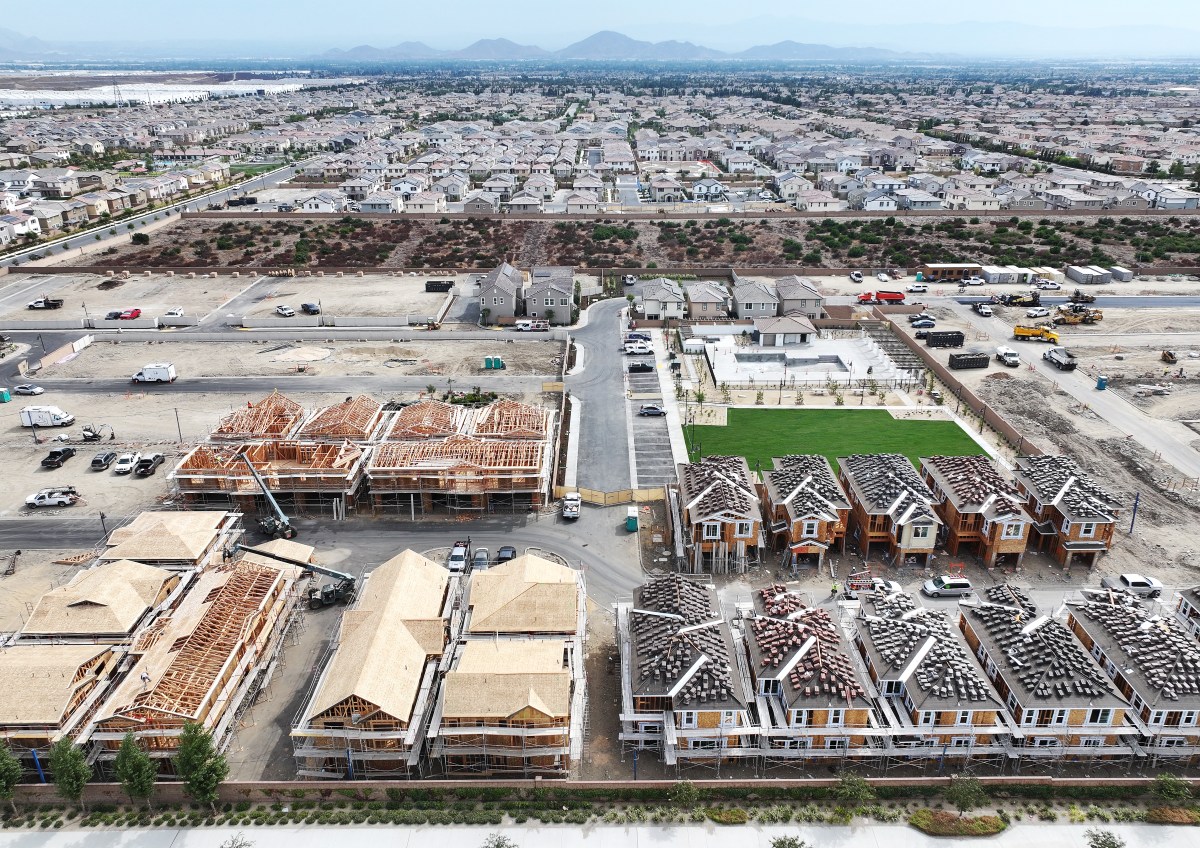
The U.S. housing market is going to face a price correction “worse than 2008,” according to housing analyst Melody Wright, who expects home prices to drop in half as soon as next year.“I think…we’re going to correct all the way to a point where household median income matches the home price, the median home price.
And so that is going to be worse than 2008. This could devolve a lot faster than last time,” Wright said during an interview with Adam Taggart, host of Thoughtful Money, published on YouTube.What Is Happening in the Housing Market?Rising inventory and dwindling demand have brought down home prices in many U.
S. metropolitan areas this year, especially in those markets in the Sunbelt and the South which became overheated between 2020 and 2022. At the national level, the vertiginous price growth that characterized the pandemic years has also slowed to a grind, with the median sale price of a home in October only 1.
2 percent higher than a year ago, according to Redfin, at $439,701. According to a new report from Zillow, 53 percent of all U.S. homes lost value over the past 12 months—the most since 2012. While affordability has slightly improved, however, millions of Americans are still being kept on the sidelines of the housing market by higher home prices, property taxes, and home insurance premiums, as well as still-elevated borrowing costs.
Wright told Taggart that, while it is hard to say whether home prices at the national level have fallen this year, “you can definitely see the deceleration happening.”It has been a difficult year for the U.S. housing market. While price growth has stalled, home prices remain much higher than they were before the pandemic in much of the country.
In April, what Wright calls “the tariff terror” caused many buyers to have “cold feet” and delay home purchases while waiting to see what the impact of President Donald Trump’s policies would be on the U.S. economy.The only transactions that continued happening in the U.S. market at volume this spring and summer, she said, were for higher-priced homes.
“You have this bifurcated housing market, but the majority of folks transacting are in these upper tiers, so your median [home price] is going to be higher,” Wright said.“However, what I’ve been seeing over the last three months, and this is—I get into the dirty dirty details—underneath the covers, that $100,000-$250,000 sales price, we are starting to see incremental increases in sales in that category,” she added.
“And so as it continues, it will start to drag the median down. It’s happening already and that’s where we’re seeing the deceleration,” Wright said, adding that we are going to end the year with “flat” home price growth.Steeper cuts will come later, she warned. “It’s going to be worse,” she said, when asked to make a prediction about 2026.
What Does Wright Expect To Happen Next Year?Wright is expecting a big drop in home prices next year, as investors who are not making money from their properties withdraw from the market.“What happened last time was, we were on our way down to where household median income would actually match home median prices, but we never got there because Wall Street came in to buy those [homes],” Wright said.
“But now they’re crying on TV,” she said, adding that some investors are claiming they were asked by government-backed mortgage agencies to intervene and purchase those properties. “They’re going to start crying a lot louder soon and say, ‘Hey, we saved you, government.’ And so, who’s the buyer now?
” Wright said she fears the government might be forced to step in as "the buyer of last resort."Another fear Wright has is about the quality of the homes that investors are likely going to be leaving behind. “In the last cycle, remember how many all-cash buyers we’ve had? When these are not on a bank’s balance sheet, there’s nobody that’s going to be cutting the grass, there’s nobody that’s going to be winterizing that home, taking care of the mold problem,” she added.
“And so I think we could see this kind of devolve into chaos a lot faster than we did last time as many investors abandon these properties.”Wright then said that next year home prices might correct to the point where they match the median household income. In 2024, according to data from the U.S. Census, that median was $83,730.
That is going to be a price decline “near your 50 percent,” she said. “And much greater in certain areas.”
Source coverage
Okay, so I've got this Newsweek article here, and it's got me thinking. Apparently, Melody Wright, a housing analyst, is calling for a major correction in the U.S. housing market – potentially even worse than the 2008 crash. The article, by Giulia Carbonaro, came out on November 25, 2025, so we're talking about...
Wright's big prediction is that we could see home prices drop by "near your 50 percent" as early as 2026. That's a huge drop. Her analysis suggests this will bring median home prices closer to median household income. Remember, the 2024 median income was $83,730. Current median home prices are at $439,701 (October...
Deeper analysis
Full source content
The U.S. housing market is going to face a price correction “worse than 2008,” according to housing analyst Melody Wright, who expects home prices to drop in half as soon as next year.“I think…we’re going to correct all the way to a point where household median income matches the home price, the median home price.
And so that is going to be worse than 2008. This could devolve a lot faster than last time,” Wright said during an interview with Adam Taggart, host of Thoughtful Money, published on YouTube.What Is Happening in the Housing Market?Rising inventory and dwindling demand have brought down home prices in many U.
S. metropolitan areas this year, especially in those markets in the Sunbelt and the South which became overheated between 2020 and 2022. At the national level, the vertiginous price growth that characterized the pandemic years has also slowed to a grind, with the median sale price of a home in October only 1.
2 percent higher than a year ago, according to Redfin, at $439,701. According to a new report from Zillow, 53 percent of all U.S. homes lost value over the past 12 months—the most since 2012. While affordability has slightly improved, however, millions of Americans are still being kept on the sidelines of the housing market by higher home prices, property taxes, and home insurance premiums, as well as still-elevated borrowing costs.
Wright told Taggart that, while it is hard to say whether home prices at the national level have fallen this year, “you can definitely see the deceleration happening.”It has been a difficult year for the U.S. housing market. While price growth has stalled, home prices remain much higher than they were before the pandemic in much of the country.
In April, what Wright calls “the tariff terror” caused many buyers to have “cold feet” and delay home purchases while waiting to see what the impact of President Donald Trump’s policies would be on the U.S. economy.The only transactions that continued happening in the U.S. market at volume this spring and summer, she said, were for higher-priced homes.
“You have this bifurcated housing market, but the majority of folks transacting are in these upper tiers, so your median [home price] is going to be higher,” Wright said.“However, what I’ve been seeing over the last three months, and this is—I get into the dirty dirty details—underneath the covers, that $100,000-$250,000 sales price, we are starting to see incremental increases in sales in that category,” she added.
“And so as it continues, it will start to drag the median down. It’s happening already and that’s where we’re seeing the deceleration,” Wright said, adding that we are going to end the year with “flat” home price growth.Steeper cuts will come later, she warned. “It’s going to be worse,” she said, when asked to make a prediction about 2026.
What Does Wright Expect To Happen Next Year?Wright is expecting a big drop in home prices next year, as investors who are not making money from their properties withdraw from the market.“What happened last time was, we were on our way down to where household median income would actually match home median prices, but we never got there because Wall Street came in to buy those [homes],” Wright said.
“But now they’re crying on TV,” she said, adding that some investors are claiming they were asked by government-backed mortgage agencies to intervene and purchase those properties. “They’re going to start crying a lot louder soon and say, ‘Hey, we saved you, government.’ And so, who’s the buyer now?
” Wright said she fears the government might be forced to step in as "the buyer of last resort."Another fear Wright has is about the quality of the homes that investors are likely going to be leaving behind. “In the last cycle, remember how many all-cash buyers we’ve had? When these are not on a bank’s balance sheet, there’s nobody that’s going to be cutting the grass, there’s nobody that’s going to be winterizing that home, taking care of the mold problem,” she added.
“And so I think we could see this kind of devolve into chaos a lot faster than we did last time as many investors abandon these properties.”Wright then said that next year home prices might correct to the point where they match the median household income. In 2024, according to data from the U.S. Census, that median was $83,730.
That is going to be a price decline “near your 50 percent,” she said. “And much greater in certain areas.”
How this page is built
Goose Pod turns cited reporting into a public episode summary first, then pairs that summary with audio playback so listeners can check the source material before they decide how deeply to engage.
The goal is to make this page useful as a news landing page first, while still giving listeners transcript access, related episodes, and direct links back to the original publishers.